
Countries With the Highest and Lowest Life Expectancies
Discover life expectancy by country in 2026 and how healthcare, lifestyle, and other key factors impact longevity and well-being worldwide.

International medical cover for expats and their families.
Medical and trip cancellation coverage for international travel.
Life insurance for globally mobile individuals living or working abroad.
Comprehensive international medical coverage for groups.
Medical, accident, and liability protection for global travel.
Financial protection for employees worldwide.
Most Popular Country Guides
Healthcare, insurance, and living insights to plan life and travel in each destination.
Healthcare, safety, and practical guidance for living abroad.
Tips and guidance for safer, smarter international travel.
Resources for global mobility, HR, and international teams.
Learn how to prepare for medical emergencies abroad with tips on packing medications, understanding local healthcare, and choosing the right insurance.
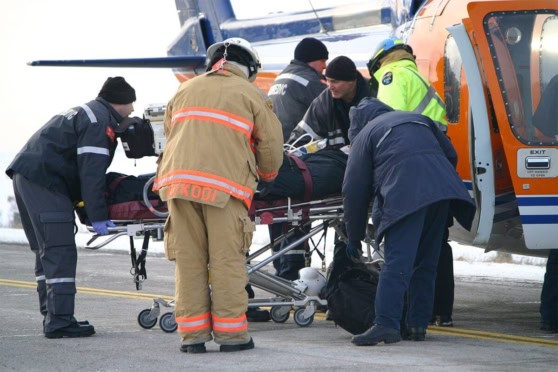
Vacationing in a foreign country can be an exciting and rewarding experience, but even well-planned trips can turn into a nightmare if an unforeseen medical emergency occurs. Whether you face a broken limb, sudden illness, or difficulty communicating in a foreign language, your best protection starts with pre-travel planning. Ensure you follow these essential steps to stay safe and enjoy your trip with peace of mind.
Don’t leave home without all prescription medications as well as any over-the-counter drugs you take regularly, such as ibuprofen or acetaminophen.
Fill a Ziplock bag with all the essentials, including any daily vitamins, ointments, and bandages.
It’s better to pack a mini-pharmacy than to struggle to try to find one and then communicate your needs in a foreign language.
You should also carry a list of the prescription medications you take, as well as your doctor’s name, contact information, and brief medical history.
Be sure to mention any allergies or life-threatening medical conditions, such as a penicillin allergy.
Even though the medical staff may not be able to read the list, they should be able to find someone who can, taking the pressure off you or the injured/ill person to communicate critical medical details verbally.
While learning a new language may not always be an option, you should still make an effort to familiarize yourself with the language and know how to speak and read common words and phrases, such as “I need help!” or “Where is the closest hospital?” Knowing simple emergency phrases could save you from frustration during an overwhelming situation.
You may also want to invest in a translation dictionary and carry it with you, or if a translator app is available, download it to your smartphone for easy access.
Worst case: if you cannot correctly pronounce something, you will have the ability to point to the word and hopefully communicate your needs.
Before booking your trip, research any health issues and epidemics that may be prevalent at your travel destination.
You should also ensure that your vaccinations are up to date. If additional vaccinations are required or recommended in that area of the world, obtain them and allow sufficient time to cover any incubation period.
Whether you are a frequent traveler or a novice, if you break a bone, the ability to find quality medical treatment overseas relies on whether you are financially able to cover the expenses.
Research travel medical insurance plans as soon as you book your trip, and be aware of precisely what is and what is not covered by the plan.
Some insurance companies may also require you to have the appropriate vaccinations, so it’s a good idea to start researching insurance plans as soon as you book your trip.
Your insurance should cover all necessary medical expenses, such as healthcare from a doctor or hospital of your choice, access to an emergency medical hotline, and the ability to work with a translator so you can understand what is happening and make informed choices.
Your travel medical insurance will provide an emergency medical assistance hotline that you can call for assistance in the event of an emergency.
Don’t learn the hard way what it is like to be unprepared for an emergency while traveling. Do your research, pack appropriately, and plan accordingly – should an emergency arise and you cannot speak the language, you will be better off because of your planning.
