
Updated on
How to File an International Travel Insurance Claim
Learn how to successfully file a travel insurance claim for cancellations, medical expenses, and other issues, and find tips for submitting your claim.
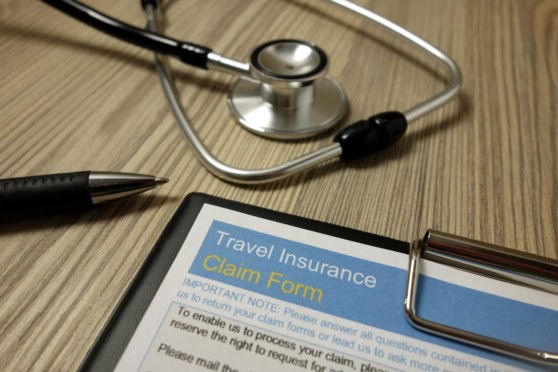
Travel insurance policies provide peace of mind when traveling. They support you if you need to cancel a trip, change a trip, cut a trip short, or receive medical care while traveling. But what if you need your travel insurance to reimburse you? To do this, you need to file a travel insurance claim.
Learn how to file a travel insurance claim effectively to maximize your reimbursement. These expert tips will help you support your insurer and speed up your claim process.
How to Get Your Claim Reimbursed Quickly
The first step to getting reimbursed is to file your travel insurance claim. A claim is a form that tells your travel insurer what happened to you, why you need reimbursement, and how to pay you. With a claim, you also provide documentation to confirm your claim.
The best first step in preparing your travel insurance claim is to read the complete form. Then, note and prepare the documentation that the claim requires.
Most travel insurers allow you to submit a claim online, which is supported by live chat help. It’s helpful to do this from a laptop.
You can also submit a claim from your smartphone. When you start to submit a claim online, be prepared to finish and submit the claim. You usually can’t save a half-completed claim to finish later.
Another way to submit a claim is by email or by physical mail. Each of these methods may take a little more time. If you need help, you can call your travel insurer’s helpline with your questions.
Submit Your Travel Insurance Claim As Soon As Possible
The sooner you submit your travel claims, the sooner you will be reimbursed. For every provider, specific policies have claim deadlines. Check your travel insurance policy to see when you need to file a claim.
Here are some examples:
- Trawick International – 7 days to file
- World Trips – 30 days to file for most plans
- Seven Corners – 90 days to file for most plans
- World Nomads – file during your trip or after your trip concludes
Gather Your Documents
How to file a travel insurance claim? Your claim form will inform you of the documentation required to accompany your claim. You may have everything already. Or you may need a day or two to get items in writing.
Different claims will need various types of documentation. Here are two examples of documentation needed for a claim.
For a trip cancellation, your claim form may ask for:
- Receipts or itineraries related to your original travel plans and any updated travel plans
- Proof that a travel agent, cruise or tour company, or accommodation provider is declining to reimburse you, or evidence of any partial refunds from them
- Confirmation from an airline that flights were changed, canceled, or are non-refundable, and proof of any partial refunds
- Receipt for any payments you made due to the documented changes to your travel plans.
For a medical claim for an accidental injury during a trip, you may need to provide:
- A statement from a physician
- Receipts for medical care related to the injury, and only to the injury
- Signed forms requested by your insurer, including payment authorization, privacy disclosure, and possibly a subrogation form (with information about third parties involved) if your injury resulted from an accident.
The more complex your claim is, the more documentation you may need to provide. If you cancel a trip due to an injury, you must give the travel insurer the relevant medical and trip information.
Keep A Copy of Everything You File
Are you submitting online? Screenshot everything you submit, and note the date and time you submitted it. Are you mailing in your claim? Photocopy everything first. Computers can glitch, mail can get lost, and documents can be misfiled.
If you do not receive a response to your claim within a week, you will have all the necessary backup information to follow up. For online and email submissions, you usually receive confirmation within 24 hours.

If you send electronic files, give each file a name that includes your own. Here is an example:
John.Doe_United_Air_Receipt_Booking_123_2022-12-31.pdf
This tip makes it easier for you and your insurance agent to organize these files.
Know Your Out-of-Pocket Costs
You may choose to buy a travel insurance policy with a deductible or co-pay. This makes a policy more affordable.
If you place a claim, you acknowledge that you will pay costs for your loss up to your deductible or co-pay amount. Keep track of your deductible or co-pay and account for this as you complete your claim.
How Long Does It Take to Process a Claim?
Complete claims are usually processed within 10 to 30 days. For example, World Nomads processes your claim within 20 days.
The WorldTrips Atlas plan processes your claim within 30 days. Again, please note the claim process time in your specific travel policy.
Your insurer will reimburse you more quickly if you complete your forms correctly and provide all necessary documentation the first time you file.
If your claim is incomplete, it will take longer for you to get reimbursed. The insurer will contact you and inform you of the necessary actions to take.
You may need to make corrections or provide more information. If you have physically mailed in your claim, you must also account for the time it takes for the mail to be delivered.
What To Do if the Insurer Rejects Your Claim
Submitting a traveler’s insurance claim and having it questioned or rejected is upsetting. But it does happen. In the UK, more than 15% of travel insurance claims are initially refused. Stay calm and discuss the rejection with your insurer. You may be able to appeal the claim.
A good travel insurer will tell you why your claim was rejected. To appeal the claim, you will need to find out why it was denied, use any required forms, and provide documentation to respond to the reason for rejection.
If you contact customer service about a rejected claim, remain calm and work with them to resolve the issue with your claim.
With medical travel insurance claims, rejections can often be revised or overturned. Medical or hospitalization claims require a lot of detail. Typically, you are required to submit additional information.
If it were an emergency, you might not have had the opportunity to get a pre-authorization. You can send documents proving that you were unable to obtain pre-authorization.
In the United States, you can also seek assistance from the National Association of Consumer Advocates or your state’s insurance regulator.
Top 3 Reasons Travel Insurers Reject Your Claim
Travel insurers note that there are common reasons why they reject claims. The three main reasons travel insurers reject claims are common mistakes or a lack of understanding of a policy. See how you can prevent these from blocking your claim.
- The claim isn’t within the insured period – Seven Corners notes that this is one of the most common reasons to deny a claim. To avoid this, ensure that your travel insurance covers the entire period of your travel, from the day and time you leave your home to the end of your last travel day when you return home.
- Missing or Incomplete Documentation – Travel insurers require complete documentation to prevent fraud. Be patient and cooperative, and work with your insurer to obtain documentation that they accept. Consider requesting an extension to file a claim if you need to get specific documentation.
- The policy doesn’t cover it – Often, people ask for more reimbursement than their policy covers. Pay attention to your policy’s limits and deductibles. A standard travel policy may not cover some items or activities. Adventure travel is one example that may need its own policy. Valuable items, like a ring or a watch valued at over $10,000, are another category to be aware of. Ensure that you have the necessary coverage.
More Reasons Your Claim May Be Rejected
You can prevent other reasons for claim rejection. Be honest about your pre-existing medical conditions. Don’t travel against the World Health Organization (WHO) or security advice.
Don’t do adventure travel or sports without ensuring your policy covers these activities. Avoid reckless behavior, such as excessive drug and alcohol use, or traveling towards an oncoming hurricane to storm-watch.
Finally, don’t be tempted to pad a claim with inaccurate items to try to get extra money. Travel insurers scrutinize claim submissions for fraud. They aim to keep costs affordable for those who are genuinely seeking coverage.
4 Tips to Simplify Your Travel Insurance Claims
Before you travel, there are four things you can do to make your life easier if you need to place travelers’ insurance claims.
- Make sure you’re fully covered – Full coverage is for the complete time of your trip, from when you leave and return to your home, including all travel and activities. Sailing, scuba diving, or other adventure travel may require an additional travel policy.
- Keep copies of all travel documentation and receipts – This makes it easy to provide documentation if you make a claim. Experienced travelers create a file folder for this documentation, sometimes in cloud storage.
- Document your luggage and valuables – Many travelers are now taking a flat-lay photograph of what they pack to prove they brought the items they claim to have. Receipts are vital for insurance companies. It’s also your responsibility to check that your travel plan ensures the safekeeping of your special valuables.
- Bring or have access to your travel insurance policy – This way, you can always check your policy and see if you are covered. When you are in trouble at midnight in an airport, it is easier to consult your policy than to make a phone call.
Work With a Reputable Insurer
It’s wise to obtain your travel insurance from a reputable travel insurer with a proven track record of supporting policyholders.
Look for a travel insurer with a straightforward claims process and multiple contact options. Ask questions about potential policies to ensure they are responsive, and seek online reviews.

Find the Best International Travel Insurance
- Compare top-rated travel insurance providers
- Get quotes for Travel Medical, Trip Cancellation, and more
- Choose the best plan for your trip and budget