
The Ultimate International Travel Checklist
Plan your overseas trip with ease using this essential international travel checklist, covering visas, flights, insurance, packing, and more.

International medical cover for expats and their families.
Medical and trip cancellation coverage for international travel.
Life insurance for globally mobile individuals living or working abroad.
Comprehensive international medical coverage for groups.
Medical, accident, and liability protection for global travel.
Financial protection for employees worldwide.
Most Popular Country Guides
Healthcare, insurance, and living insights to plan life and travel in each destination.
Healthcare, safety, and practical guidance for living abroad.
Tips and guidance for safer, smarter international travel.
Resources for global mobility, HR, and international teams.
Learn essential tips and safety advice for traveling with food allergies, including managing risks and finding the right travel insurance.
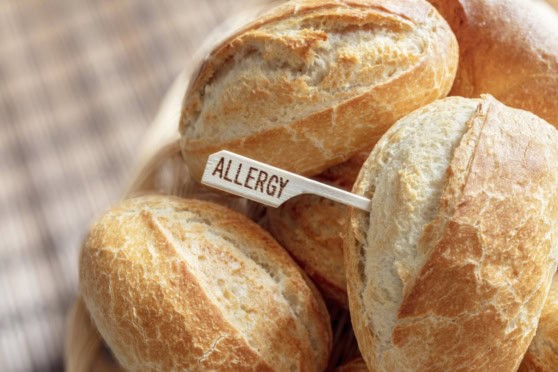
Are you allergic to any foods? Or do you have bad reactions like intestinal distress, migraines, or emotional symptoms? If so, you likely have systems in place to avoid those foods in your home country. But going abroad means facing new challenges. Foods may be labeled in a less familiar language, or countries may not be required to label foods in the same way. You may encounter unfamiliar foods and restaurants that are less aware of food sensitivities. But living overseas or traveling with food allergies is possible; it just requires proper planning.
Below, you’ll learn how to travel with food allergies and keep yourself safe, no matter where you are going. And if you’re looking for food allergy travel insurance, you’ll also find recommendations for plans that will cover your condition.

Preparation for flying with food allergies begins well in advance of your flight. If you plan to take a train, you’ll find much of the advice below applicable. Certain things, such as traveling with an auto-injector, are much simpler via train.
If you use an epinephrine auto-injector when you have an allergic reaction, it’s important to bring documentation with you to ensure you can take it onto the plane.
Bring a letter from your doctor that documents your food allergy and attests to the need for the injector.
When going through security screening, inform the security officer that you are carrying a medically necessary liquid.
You will need to bring the injector in its original packaging, along with a pharmacy label. Be ready to show this at any security checkpoint.

Some airlines are more considerate of people with food allergies than others. Certain airlines will remove common allergens (such as peanuts) from food service if you notify the reservation agent when you book your flight.
However, most airlines cannot prevent passengers from bringing their allergens on board. Read your airline’s food allergy policy before booking.
Bring moist disinfectant wipes with you and wipe down any surface you will come into contact with, especially tray tables.
Many planes do not receive a full wipe-down between flights, and the previous passenger may have left behind traces of your allergen. If you want extra time to clean your space, ask the gate attendant if you can pre-board to do so.
You may also want to bring a bandanna or scarf to use as a tablecloth, providing an additional barrier between yourself and the tray table.
If your allergies are especially severe, try carrying a sheet to cover your seat, so you do not have to risk contact. Do not rely on an airplane blanket, as these are often not cleaned between flights.
Your best chance of a clean plane is the first flight of the day, as most planes get a deeper cleaning overnight.
While you can request an allergen-free meal, airlines frequently have last-minute replacements. Therefore, you may find that your meal did not make it onto the plane.
To ensure you have an allergen-free meal, it is best to bring your own food. Ensure it complies with airline rules if you are packing it at home; for example, soup may not make it through security.
If you are traveling abroad with food allergies, the first thing to do is to learn the name of the allergen in the country you’re visiting.
If you aren’t familiar with the local script, you may not be able to read it on a menu. But by learning to say the word, you will be able to name the food you are allergic to.
While you may speak the language of the country you are traveling to, foods may still go by different names.
If you’re an Australian allergic to capsicum that travels to the U.K. or USA, for example, the food you are allergic to is called a “pepper.” (It’s the same name that is used for peppercorns, which can lead to some confusion.)
Here are just a few examples of foods that have very different names in different English-speaking countries:
Different countries have different rules around which allergens they prominently label.
If you are allergic to certain food additives, be aware that in many countries these are listed not by name but by an international code number.
If you have an allergy to a common food such as corn, you will want to have the code index available for cross-reference.
The Google Translate or Microsoft Translator app can translate menus, labels, and other text on the fly. Simply put the app in camera mode.
When you view the menu or label through the camera, the translated text will overlay it. This can be especially helpful if you are trying to read a language unfamiliar to you, such as Chinese, Thai, Ge’ez, or Armenian.
Food allergy chef cards are a great way to explain your dietary restrictions when you don’t speak the language. You can provide these cards to wait staff so they can communicate your needs.
Food Allergy Research and Education (FARE) offers free food allergy card templates in ten common languages, including Chinese, German, Spanish, and Dutch. Allergy & Anaphylaxis Australia (A&AA) also has free allergy chef card templates in 20 languages, including Thai, Fijian, Arabic, Portuguese, and Hindi.
If your allergy is less common, the language is not listed above, or you would like a more durable card, these can be purchased online.
Two of the top companies are Equal Eats and SelectWisely.
All travel policies consider a food allergy a pre-existing condition. It is considered a chronic illness that you were diagnosed with before you bought the policy.
But some travel policies will cover pre-existing conditions. This means they will cover you if you need emergency treatment for a food allergy.
Some policies say they will cover “acute onset of a pre-existing condition.” Unfortunately, if you accidentally eat a food you are allergic to, it is generally not considered an “acute onset.”
However, a travel insurance plan that covers pre-existing conditions will typically also cover your food allergies.
If you have primary health insurance in the USA, BCBS Global Solutions Single Trip Platinum will cover a food allergy incident as a pre-existing condition.
Many people have successfully traveled around the world with food allergies without one incident. All it takes is a certain amount of planning and forethought.
In some instances, you may find that your allergen is less prevalent in the place you are traveling to than in your home country.
With just a few precautions, you can see the world safely.
Compare top-rated travel insurance plans for your upcoming trip abroad.