Digital Nomad Tips: A Guide to Working While Traveling in 2026
Discover essential digital nomad tips to thrive while working remotely, including managing time zones, staying healthy, protecting your devices, and making friends abroad.

International medical cover for expats and their families.
Medical and trip cancellation coverage for international travel.
Life insurance for globally mobile individuals living or working abroad.
Comprehensive international medical coverage for groups.
Medical, accident, and liability protection for global travel.
Financial protection for employees worldwide.
Most Popular Country Guides
Healthcare, insurance, and living insights to plan life and travel in each destination.
Healthcare, safety, and practical guidance for living abroad.
Tips and guidance for safer, smarter international travel.
Resources for global mobility, HR, and international teams.
Discover the world's safest airlines in 2026 and learn about international and domestic airline safety standards and how to insure your trips.
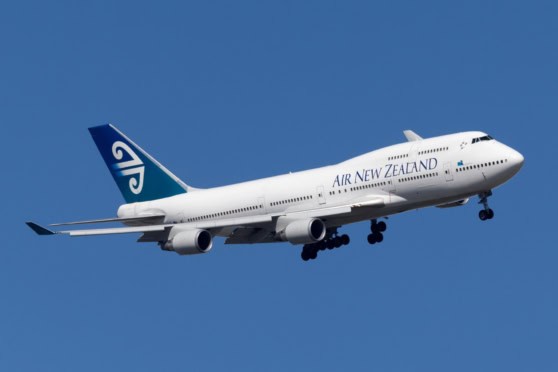
If the thought of flying overseas on an international airline frightens you, it’s reassuring to know that commercial air travel is still considered the safest mode of transportation in the world. You’ve likely heard the statistic that you’re more likely to have an accident while driving to the airport than while flying. Well, this remains true regardless of which airline you choose.
In fact, many international carriers are recognized as some of the safest airlines in the world thanks to their rigorous safety protocols and maintenance standards. Moreover, air travel has become increasingly safer over time, thanks to technological advancements. But what makes an airline safe, and which are considered the safest? Let’s explore.

Nervous travelers often question the safety of international airlines versus domestic airlines. However, it’s important to note that there is no such thing as a dangerous airline.
While travelers may feel safer flying with an airline they know and trust, an airline’s safety often has little to do with its country of origin.
Fortunately, international airline safety standards are high, as airlines must meet strict regulations to operate; otherwise, their aircraft would be grounded.
Airline safety standards vary by country, with each nation following its own regulations and practices. In the United States, the Federal Aviation Administration (FAA) uses a program called the International Aviation Safety Assessment (IASA) to check the safety standards of airlines from other nations.
This program adheres to guidelines established by the International Civil Aviation Organization (ICAO), a global body that sets aviation safety standards.
The IASA program classifies countries, rather than individual airlines, based on whether they meet ICAO’s safety requirements.
There are two main categories:
This system helps keep air travel safe by ensuring that airlines worldwide follow high safety standards. Other countries have similar programs to assess their airlines and ensure safe travel on a global scale.
While some airlines excel in comfort, amenities, and customer service, they must all adhere to strict safety protocols to ensure the safety of their passengers.
Many websites evaluate airlines based on various factors, including communication, comfort, legroom, and the service provided by check-in personnel and onboard attendants.
According to the latest 2025 rankings from AirlineRatings.com, the world’s safest airlines are:
The rankings are determined through a comprehensive evaluation process that examines several key factors, including incident records from the past two years, crash history over the last five years, and safety audits conducted by aviation authorities. This analysis highlights airlines that prioritize safety and maintain high operational standards.
Notably, several domestic airlines, including Alaska Airlines, American Airlines, and United Airlines, also earned recognition for their safety. These airlines are assessed using similar criteria, focusing on incident records, crash history, and maintenance standards.
An airline’s safety standards are not determined by the financial status of its country of origin. For example, Ethiopian Airlines has operated for over seven decades and is considered by many to be one of the safest airlines in the world.
Even smaller airlines, or those from lower-income countries, can often meet or exceed international safety standards. Some travelers even feel that it’s safer to fly with a domestic airline that is familiar with its own country’s terrain, weather, and conditions rather than with a foreign airline that is less accustomed to these factors.
In addition to ensuring all aircraft are safe to fly, airlines also adhere to the rules of no-fly zones and work closely with government and security agencies to avoid routes that could put passengers at risk.
Flying can be daunting for many, especially if you feel anxious about the journey. However, there are some helpful strategies to make the experience less stressful.
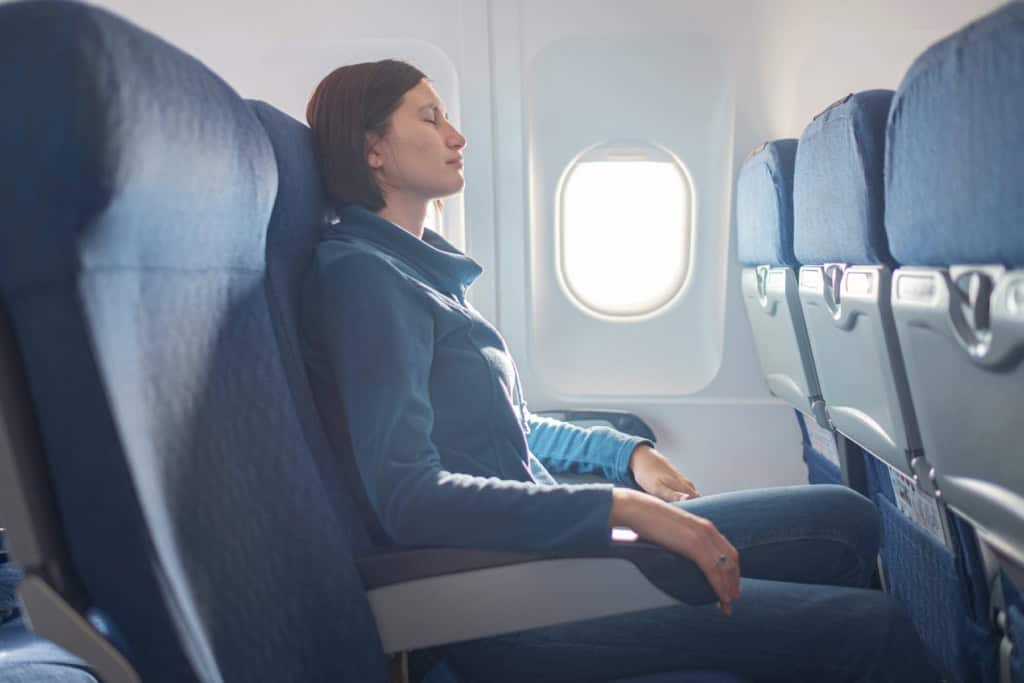
If the tips above aren’t enough to ease your fear of flying, consider enrolling in a safety awareness course for additional support.
These courses are designed to help individuals become more comfortable with air travel, particularly when traveling internationally. Understanding how airplanes operate and learning about in-flight safety protocols can boost your confidence and give you peace of mind before you travel.
Many courses also offer practical strategies for managing anxiety and address common concerns about flying, making them a valuable resource for nervous travelers.
Start by searching for safety awareness courses in your area or online. Many aviation schools, local flight training centers, and even some airlines offer specialized programs tailored to help those who fear flying.
When looking for a course, be sure to read reviews from past participants to gain valuable insight into the course’s effectiveness and how well it has helped others manage their fear of flying. Pay attention to reviews that discuss the course content, the instructor’s approach, and the overall experience.
Speaking of peace of mind, investing in trip insurance can provide reassurance that you are protected if your travel plans don’t go as planned.
This coverage can help if you experience an emergency illness or accident that prevents you from flying. It can also extend to your travel companions, as you are still covered if they become ill or have an accident.
Even if someone wasn’t planning to travel with you, you might be eligible for coverage if, for instance, you need to return for an emergency.
Additionally, trip insurance covers you for travel delays (up to $1,000). This includes situations such as the loss or theft of a passport, natural disasters, or medical quarantines.
It also covers baggage loss and personal possessions (up to $2,000) and provides compensation for baggage delays (up to $1,000). It may even cover some emergency medical expenses, including emergency medical evacuation.
If you are planning an international trip, it’s a good idea to invest in more extensive insurance coverage for medical expenses, including hospitalization.
Travel medical insurance ensures financial protection while overseas, gives you access to the medical facilities or doctors of your choice, and even offers Universal Rx pharmacy discounts.

Compare top-rated travel insurance plans for your upcoming trip abroad.
You should consult with a qualified insurance representative to determine which coverage best suits your travel needs. They will be happy to help you find the right plan.
When speaking with them, let them know if you have any concerns about flying. Many insurance agents offer resources and tips to ease concerns and address any travel-related questions you may have.
They will also ensure that you are fully covered based on your individual medical needs and where you are traveling.
Remember, even if this is your first time flying, you are not alone! Travel and insurance experts are available to give you peace of mind. It all starts with a phone call.