The Ultimate International Travel Checklist
Plan your overseas trip with ease using this essential international travel checklist, covering visas, flights, insurance, packing, and more.

International medical cover for expats and their families.
Medical and trip cancellation coverage for international travel.
Life insurance for globally mobile individuals living or working abroad.
Comprehensive international medical coverage for groups.
Medical, accident, and liability protection for global travel.
Financial protection for employees worldwide.
Most Popular Country Guides
Healthcare, insurance, and living insights to plan life and travel in each destination.
Healthcare, safety, and practical guidance for living abroad.
Tips and guidance for safer, smarter international travel.
Resources for global mobility, HR, and international teams.
Learn how to stay safe drinking tap water abroad, including tips for checking water quality, treating questionable water, avoiding counterfeit bottles, and staying hydrated.
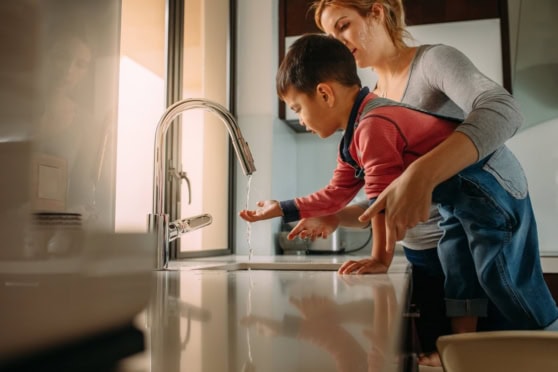
In many countries, people are used to simply turning on the nearest tap and filling a glass of water to quench their thirst. However, there are many places where that luxury doesn’t exist. Even in American cities, such as Flint, Michigan, residents have been impacted by a lack of access to clean water; the risk is even higher in rural areas.
Although a decade has passed since the UN General Assembly decreed that humans have the right to safe, affordable, and easy access to water and sanitation, the Joint Monitoring Program found in 2020 that 2 billion people worldwide still lack safe drinking water in their homes. Luckily, while drinking tap water abroad can pose a threat, there are ways to navigate the issue and stay hydrated in a foreign country.
Whether you are traveling for a short stay or living abroad long-term, the right insurance helps protect your health and gives you access to care when you need it overseas.
Contaminated water is linked to the transmission of diseases such as cholera, typhoid, and hepatitis. Water can become contaminated in various ways: pesticides, sewage overflows, and wildlife, to name a few. This can occur even after the water has left a treatment facility and is distributed to people’s homes.
In Flint, Michigan, for example, the water crisis was instigated after officials changed water sources and failed to apply corrosion inhibitors to the treated water, which resulted in lead from old pipes seeping into the water supply.
Before drinking tap water abroad, you should always research whether the government where you are located provides safe drinking water. Parts of Africa, Asia, the Caribbean, and Latin America lack access to safe drinking water.
There are always caveats to this. In Japan, tap water is safe to drink, while in Eastern Europe, you should be cautious. Even in the United States, researchers have found that multiple states, including Oklahoma, Idaho, and Texas, do not always meet the national standards for water safety.
The CDC’s Travel Health page will tell you how safe your location is. Enter your destination and see what advice the organization has for eating and drinking safely in your destination.
For example, the CDC says in France, “Food and water standards in France are similar to those in the United States. Most travelers do not need to take special food or water precautions.”
In the Dominican Republic, though, the CDC warns travelers that “Unclean food and water can cause travelers’ diarrhea and other diseases. Reduce your risk by sticking to safe food and water habits.”
You can also check data from the World Bank or the 2022 Environmental Performance Index (EPI); these sites also allow you to search by country. If any of these pages alert people to the dangers of contaminated water, remain vigilant about your water sources.
Use your five senses when considering drinking tap water abroad. Generally, water that is safe to drink should be clear and odorless. While cloudy or tinted water doesn’t automatically mean it is contaminated, it may signal the presence of harmful pathogens.
Likewise, if your water smells strange, it could indicate a high amount of certain chemicals that, when consumed in large amounts, can cause issues, such as barium or chlorine.
Taste is another way to predict whether the water might be unsafe. However, many people might not want to take a sip if they are unsure about the water.
Luckily, while there are plenty of reasons why you shouldn’t drink tap water abroad, there are some protocols you can follow to make the water safe to drink.
The Centers for Disease Control and Prevention (CDC) recommends ensuring the drinking water is safe to consume.
The easiest and most effective method is to bring the water to a rolling boil for at least a minute. This simple approach removes bacteria, viruses, and parasites from the water. If you are at an altitude higher than 6,500 feet, boiling time triples to at least three minutes.
Purification or filtration combined with disinfection is another effective method. Follow the manufacturer’s recommendations closely when using a filtration system, such as LifeStraw.
Read carefully to determine which microorganisms the filtration system can remove to ensure its effectiveness. Take good care of the filter and replace the filter cartridge as specified.
Disinfection chemicals are readily available in liquid, tablet, and powder forms. They usually contain chlorine or iodine to disinfect the water. As with the filtration method, always closely follow the manufacturer’s recommendations for disinfection.
Note that water treated with iodine is not recommended for pregnant people or those with thyroid issues. Additionally, this method should not be used for long periods, but it can serve you well for a few weeks.
Lastly, UV lights are an efficient method for cleaning water. However, certain elements and microorganisms can reduce the effectiveness of the lights.
Therefore, just like with disinfection, only use this method as a secondary precaution after you have filtered the water.
Water makes up 50-70% of the human body and is vital for survival. While drinking tap water abroad might not be the best idea, there are plenty of other ways to stay hydrated. For many countries, the solution to a lack of reliable access to safe drinking water is bottled water.
In Mexico, you can hear the daily cries of a garrafón truck delivering five-gallon jugs of water to the homes of locals. In South Korea, electric water dispensers are readily available for people to refill their bottles with safe, fresh water – hot or cold!
Aside from water, beverages such as herbal teas, juices, and milk can help you meet your fluid needs. Even the food you eat can assist you! Watermelon, tomato, and cucumber all have high water content that helps keep you hydrated.
However, be careful with caffeinated drinks like soda and coffee. Although they can contribute to your fluid intake, the caffeine, sugar, and sodium dehydrate the body by removing water from your tissues.
Proper hydration also means regulating your body temperature, which can be difficult, especially in the hot and humid tropics. Schedule your physical tourist activities during the cooler hours of the day.
Wear light and loose-fitting clothing, and don’t forget to pack a hat. Sit and take a water or air-conditioned break before you think you need one.
You must know how contaminated water can sneak into your system to remain safe from waterborne illnesses.
The CDC warns people to be careful with fresh produce, fountain drinks, ordering ice, and even brushing their teeth if they are uncertain about the safety of the water.
Ensure that any dishes or utensils you use have been properly wiped and dried. This will prevent contaminated water from the outside from cross-contaminating clean sources.
Additionally, a few scandals have called into question the safety of bottled water and other beverages. In 2015, a police investigation uncovered a group of people in Vientiane, Laos, collecting empty plastic bottles, refilling them, and selling them as new.
The following year, police in Johannesburg uncovered 10 million Rand worth of fake bottled water. Last year in Thailand, a couple was caught bottling tap water with orange juice concentrate and other ingredients, then selling it as 100% orange juice.
Generally speaking, unopened, factory-sealed bottles should be safe to drink from. Buy your bottled water from a trusted establishment, such as a 7-11 or another corner store, to ensure they haven’t been tampered with.
Pay attention to the dates on the bottle and ensure the bottles are stored at a cool temperature outside direct sunlight.
If you are worried about counterfeit bottles, look carefully at the seal to make sure a drop of glue hasn’t been used to mimic the factory seal and check the bottle for damage. An even safer bet is to grab a carbonated drink instead of still water.
The bubbles in the beverage should indicate that the bottle was sealed at the factory. Don’t risk an intestinal infection by buying water from a street vendor to save ten cents.
The most common symptoms of waterborne diseases include diarrhea and vomiting, which greatly dehydrate the body. Follow the steps below to help get your body back on track after consuming unsafe water or food.
If you are suffering from traveler’s diarrhea, drink plenty of fluids. Use the tips above to ensure the source of your fluids is safe and won’t make you even more ill.
Consider adding electrolyte tablets to safe drinking water. You can also try a sports drink like Gatorade. The sodium and potassium in these products help optimize the absorption of fluids.
There are several over-the-counter medicines that you can buy to treat symptoms of diarrhea. Drugs such as loperamide or diphenoxylate are common medications that help slow intestinal contractions and reduce the water content of your stools.
These are great when taken in combination with electrolytes. Electrolytes help replace lost fluids but don’t necessarily slow down the frequency of bathroom visits.
Some cases of diarrhea are severe enough that you must visit a doctor for antibiotics. This is usually necessary when the water you’ve drunk contains intestinal parasites.
If your doctor prescribes antibiotics, take them exactly as instructed by your medical provider.
With a comprehensive international health insurance plan or travel insurance plan, you don’t need to worry about the costs associated with a medical visit in a foreign country or your sickness.
If you contact your insurance provider, they can recommend high-quality medical facilities close to you and telehealth options.
Many insurers will pay the hospitals or clinics directly if you visit one of their preferred locations. You can also refer to our lists of the top hospitals in different countries.
Be cautious when drinking tap water abroad. Use the above tips to know if the water is safe to consume, how to treat suspicious tap water, and how to stay hydrated when worried about water quality.
Sometimes, despite your best efforts, you may still become sick from contaminated water. It’s always a great idea to purchase travel health insurance before starting your journey. That way, you will have less worry about whether you need medical treatment.
Whether you are traveling for a short stay or living abroad long-term, the right insurance helps protect your health and gives you access to care when you need it overseas.