
International Health Insurance
Gain valuable insights and practical tips for navigating international health insurance while living abroad. From coverage details to expert advice, this comprehensive guide helps travelers…

International medical cover for expats and their families.
Medical and trip cancellation coverage for international travel.
Life insurance for globally mobile individuals living or working abroad.
Comprehensive benefits for international teams.
Insights on international relocation and global mobility.
Download our brochures or follow us on socials.
Most Popular Country Guides
Healthcare, insurance, and living insights to plan life and travel in each destination.
Healthcare, safety, and practical guidance for living abroad.
Tips and guidance for safer, smarter international travel.
Resources for global mobility, HR, and international teams.
Popular and recently published guides from our team.
Learn everything about working remotely from another country in 2026, including visas, taxes, health insurance, and tips to thrive while building your career abroad.

Working remotely from another country has never been more possible – or more popular. With faster internet, more flexible employers, and the rise of remote work visas, building a life abroad while keeping your income has shifted from dream to realistic plan.
But while the lifestyle looks effortless on social media, the logistics are real. Visas, taxes, employer approval, banking, and health insurance all need careful planning. If you’re considering working remotely overseas, this guide walks you through everything you need to know to plan, protect, and thrive overseas.
We’ll Help You Find the Right Coverage for Your Time Abroad
The right insurance depends on how long you plan to live and work overseas. Compare your options and find coverage that fits your situation:
Remote work is no longer a temporary trend – it’s become a permanent feature of the global job market. Many companies are now comfortable hiring and managing distributed teams worldwide, and remote work is increasingly about what you do rather than where you are.
As of 2026, millions of professionals worldwide are working remotely from abroad, taking advantage of technology, flexible work policies, and remote-work visas to maintain their careers while living in a different country.

Digital nomads are one visible segment of this trend, with an estimated 43 million people worldwide embracing fully location-independent work.
Today, more than 70 countries offer some form of remote‑work or digital‑nomad visa, providing legal pathways for employees and self‑employed professionals to live and work overseas.
This shift makes it increasingly realistic for professionals to maintain their careers while working from different countries.
However, making it happen requires careful planning, legal compliance, and the right tools to build a career beyond borders.
Simply put: yes, you can – if your circumstances allow it. But doing so successfully requires careful planning.
If you already have an employer, the first step is to get their permission to work from home abroad. Visas are another major consideration.
Most tourist visas do not legally allow work, though many countries now offer dedicated digital nomad or remote-work visas.
Many of these visas require proof of health insurance for the duration of your stay. Taxes can also be complicated, since staying in a country for more than six months may trigger local tax residency.
For instance, U.S. citizens could also face double taxation if they remain liable for U.S. taxes while paying local taxes.
Finally, comprehensive travel and health insurance is essential, not only for visa compliance but also to cover unexpected medical costs, emergency care, and travel disruptions. This protection provides peace of mind while living and working overseas.
There are various ways to work while living abroad. The best one for you will depend on your circumstances, specifically, the kind of job you have and the flexibility it affords.
Some companies allow employees to work remotely anywhere in the world. Others may choose fully location-independent lifestyles, such as digital nomads, or work as freelancers or independent contractors.
Below is a closer look at options for working remotely abroad.
Remote employees usually work for a single company and perform all their duties outside the office. They can be full- or part-time and typically retain standard employee benefits.
As more companies embrace flexible arrangements, working from home abroad has become increasingly possible.
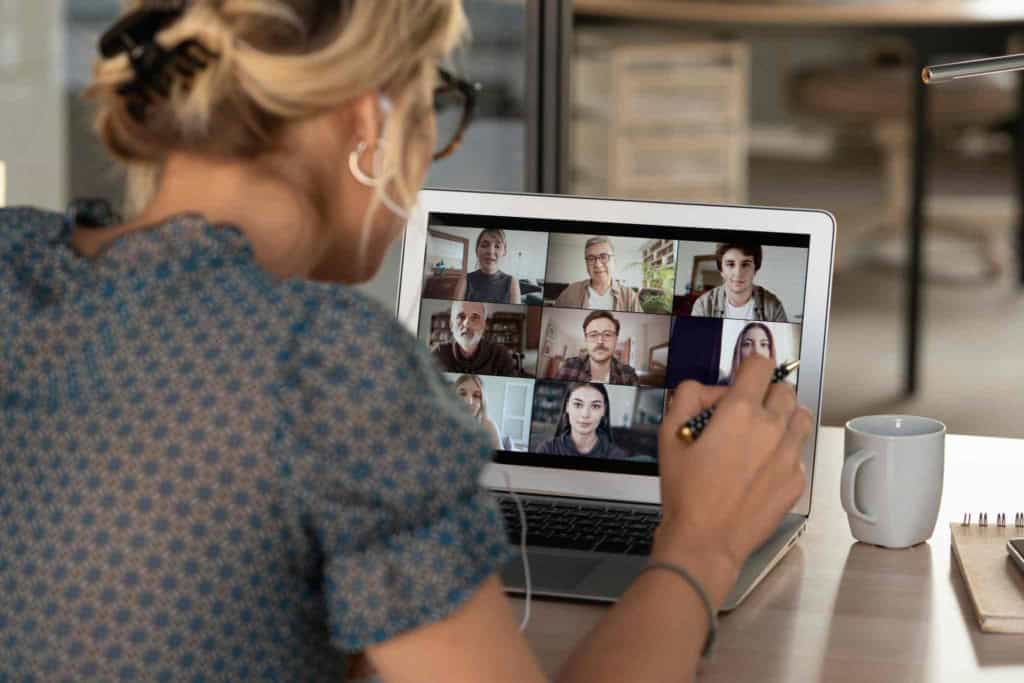
However, this usually requires employer authorization, as they must consider factors such as data security, time zones, and compliance requirements. Employers may also set limits on how long this arrangement can continue.
One of the benefits of working remotely as an independent contractor is that it offers greater flexibility than traditional employment.
Because most contractors work on limited contracts or on a project-by-project basis, they can normally choose their own clients, manage their own schedules, and be location-independent.
However, because they are not employees, they usually don’t receive benefits beyond payment for services rendered.
This flexibility makes independent contracting ideal for those who value location freedom and schedule control, but it also requires careful planning for taxes, health coverage, and retirement benefits.
Hybrid workers are employees who split their time between the office and home. Working remotely from another country may be possible, but it is often more complicated.
You’ll likely still need your employer’s approval, and if you want to go abroad, you’ll typically be limited to a certain amount of time to avoid triggering tax residency or compliance issues.
This arrangement can offer some flexibility for travel while maintaining employment benefits, but careful planning is needed to navigate time zones, taxes, and visa requirements.
Some remote workers choose a fully location-independent lifestyle, often referred to as digital nomads. They typically work in online-friendly industries and can be either employees or independent contractors.
They usually work in online-friendly industries such as marketing, design, consulting, tech, and other knowledge-based roles, which allow them to perform their jobs from anywhere with a reliable internet connection.
This lifestyle offers maximum location freedom and the ability to combine work and travel, but it also requires self-discipline, strong time management skills, and careful planning for visas, taxes, and health coverage.
There are many personal and professional benefits to working remotely abroad, but to fully enjoy them, you’ll need to set up the right system for working remotely overseas.
If you manage it, though, you might be able to enjoy:
While it’s increasingly possible to work remotely from anywhere in the world, there are still some challenges. Many of these can be managed, but ultimately, you’ll need to balance them with your priorities.
Some of the key issues when working remotely overseas include:

Working Abroad
Working remotely from another country can be an exciting opportunity, but you’ll need to take several important considerations into account to do it successfully.
This isn’t just about finding an attractive or affordable destination. You’ll also need to ensure you have the right visa, understand your tax responsibilities, and secure health coverage for your time abroad.
To manage all this, it’s essential to do your research and carefully plan all the details of your time working remotely overseas. The step-by-step guide below will help you create a realistic plan.
If you want to continue working with your employer while overseas, it’s important to have that conversation early.
This will help ensure expectations are aligned and provide you with some financial security as you work abroad.

Here are a few things to keep in mind:
Being prepared to answer questions and tackle potential hurdles will increase the likelihood that your employer approves your remote work arrangement abroad.
Global Mobility
Many people wonder if it’s legal to work remotely from another country. The answer is yes – as long as you have the right visa.
Many countries now offer remote work visas, including specific digital nomad visas and other permits for self-employed professionals and remote employees. Unlike traditional work visas, these often don’t require a job offer.
Typically, you’ll need to meet minimum income requirements, have health insurance, maintain a clean criminal record, and provide proof of accommodation.
These visas are often more accessible and affordable than regular work visas, making them an attractive option for remote professionals.
In 2026, more than 70 countries offer some form of remote work visa. These include popular destinations such as:

Know the Rules! Most remote work visas do not allow you to work for local companies, and staying longer than 180 days can trigger local tax residency. Always follow the visa terms to avoid legal or tax issues.
With so many options, deciding where to work remotely can feel overwhelming. It’s a deeply personal choice that requires balancing wanderlust with practicality.
Here are key factors to consider:
It’s also important to consider the types of accommodation available in your potential destination. It can be helpful to book a short-term stay of up to two weeks for when you first arrive.
This will help you decide which area you want to stay in, figure out noise levels and wifi availability, and gauge neighbourhood vibes before you commit to a long-term rental.
Before deciding to embark on your overseas adventure, it’s essential to understand your potential tax obligations.
Many things can affect this, including:
Working remotely from another country may require navigating taxes in two jurisdictions, especially for U.S. citizens.
America uses citizenship-based taxation, meaning you must file a federal tax return each year if your income exceeds about $13,850, regardless of where you live.

To manage taxes effectively, it may help to:
Additionally, most countries consider you a tax resident if you stay in the country for more than 183 days in a calendar year, which could trigger taxes on your global income.
However, your remote work visa may shield you from local income tax, since you often can’t earn local income.
Here are five tips for managing your taxes while working remotely:
Successfully working remotely from another country starts with getting the essentials in place. The right setup will make your experience smoother, safer, and more productive.
Here’s what to prioritize:
Having these essentials in place will give you peace of mind and the freedom to focus on your work, explore your surroundings, and enjoy your life abroad.
Many countries require proof of health insurance for remote-work visas or long-term stays, including popular destinations like Portugal, Croatia, Malta, Greece, and Costa Rica.
The type of coverage you need depends on how long you’ll be working abroad:
Short-term stays (weeks to up to 12 months): Travel medical insurance covers emergency care, sudden illness, accidents, and emergency evacuation while abroad. It’s ideal for frequent travelers or those moving between countries.
Long-term stays (three months or longer): International health insurance provides comprehensive medical coverage, including routine care, prescriptions, check-ups, and preventive health services. It’s suitable for living abroad in one or multiple countries.
Having the right coverage ensures you meet visa requirements, have access to high-quality healthcare abroad, and are protected from unexpected medical costs while living and working internationally.
We’ll Help You Find the Right Coverage for Your Time Abroad
The right insurance depends on how long you plan to live and work overseas. Compare your options and find coverage that fits your situation.
Working remotely while traveling requires securing location-independent work. Fortunately, there are many platforms and strategies to help you get started.

Working remotely anywhere in the world is exciting, but it requires research and preparation.
To make the most of it, secure the right visa, plan for reliable accommodation, workspaces, and connectivity, and maintain health and travel insurance for peace of mind.
With the right preparation, you can enjoy a rewarding experience: grow professionally, immerse yourself in new cultures, and balance work with travel.
We’ll Help You Find the Right Coverage for Your Time Abroad
The right insurance depends on how long you plan to live and work overseas. Compare your options and find coverage that fits your situation:
Yes, if you have the appropriate visa. Many countries now offer long-term digital nomad visas, while others allow short-term remote work on tourist visas. You’ll also need your employer’s approval if you’re employed.
Generally, no – especially for stays longer than a few weeks. Short visits may be allowed under some visa waivers, but longer-term work requires the proper visa.
Yes, as long as you comply with local immigration and labor laws, or stay within the limits of a visa that permits remote work.
Not necessarily. Legal, tax, and company policies can restrict where you work, especially if your stay is longer than a few weeks.
It depends on the country and visa type. Tourist visas often allow stays up to 90 days, while digital nomad visas typically allow longer stays, starting at six months or more.
Yes. Most digital nomad visas require proof of health insurance. You may also need to pay taxes overseas if you become a tax resident, typically after about 180 days. U.S. citizens must continue filing U.S. tax returns.
Some benefits, like a 401(k), can usually continue if you still earn U.S. income. Medicare and other U.S. health benefits typically cannot be used abroad.
Usually not, but for stays longer than six months, having a local bank account or a multicurrency digital bank like Wise or Revolut can make managing your finances easier.
Use collaboration tools like Slack, Notion, or Trello, and plan for time zone differences to maintain regular communication.
Use a global eSIM, buy a local SIM card for long-term use, and carry a dedicated mobile hotspot as backup. Always try to test the Wi-Fi at your accommodation before you commit to a long-term lease.
Use a local SIM or eSIM for hotspot access, carry a power bank, and consider a dedicated mobile hotspot. Test Wi-Fi at your accommodation before committing to long-term stays.