



The Ultimate International Travel Checklist
Plan your overseas trip with ease using this essential international travel checklist, covering visas, flights, insurance, packing, and more.

International medical cover for expats and their families.
Medical and trip cancellation coverage for international travel.
Life insurance for globally mobile individuals living or working abroad.
Comprehensive international medical coverage for groups.
Medical, accident, and liability protection for global travel.
Financial protection for employees worldwide.
Most Popular Country Guides
Healthcare, insurance, and living insights to plan life and travel in each destination.
Healthcare, safety, and practical guidance for living abroad.
Tips and guidance for safer, smarter international travel.
Resources for global mobility, HR, and international teams.
Learn about vaccine requirements for traveling abroad, including mandatory and recommended vaccinations, destination-specific guidelines, and how travel insurance can help cover costs.
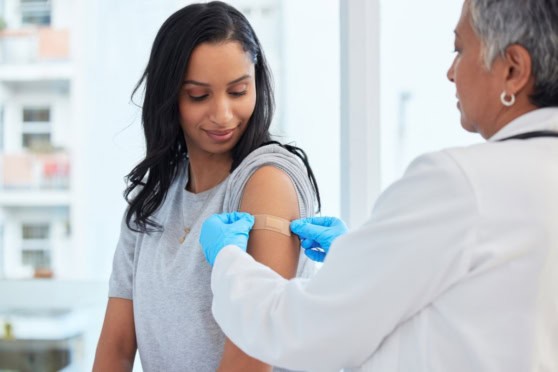
Traveling the world is exciting, but staying healthy while doing so is just as important. Knowing the vaccine requirements for your destination is essential. While some vaccines are mandatory to enter certain countries legally, others are strongly recommended to protect you from serious illnesses.
Since 1944, international travel has required immunizations to help prevent the spread of diseases and promote public health. These vaccines not only protect your health and help ensure your trip goes smoothly, but also safeguard local populations. They also guard against diseases with long-term health consequences, such as polio and encephalitis.
That said, vaccine requirements can change quickly, so wherever you’re headed, it’s important to check the travel health protocols for your destination well in advance. To help you prepare, this article will guide you through finding the vaccine requirements and recommendations for your destination, as well as how to access the necessary vaccinations to stay safe and healthy while abroad.

Vaccinations are vital for staying healthy while traveling abroad. They protect you and your family by preventing travel-related illnesses, such as yellow fever, dengue, and typhoid, which are more prevalent in certain regions. Vaccines also guard against diseases with severe long-term health consequences, like polio, hepatitis, and malaria.
In addition to safeguarding your health, some countries require specific vaccinations for entry. Getting the necessary travel shots ensures you meet these entry requirements and helps make your trip safer and smoother.
Many destinations require proof of vaccination, and you can be denied entry without that proof. It’s vital to check what travel shots you need well before your trip so you can schedule them in advance.
Some immunizations are mandatory, while others are recommended. To find out what’s required for your trip, check any of the following resources:
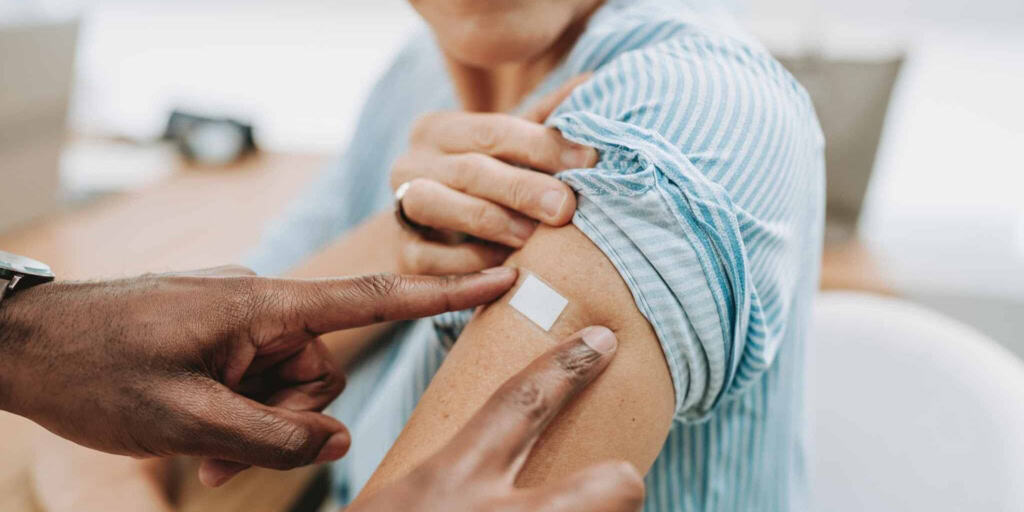
Make sure to revisit these resources closer to your travel date, as requirements can change. Also, note that some vaccines may require multiple doses over several weeks, so it’s essential to start early to ensure you’re fully protected before departure.
Before traveling, it’s essential to understand which vaccines are required and which are recommended for your destination to ensure both your safety and compliance with local health regulations.
Below is an overview of some of the key shots that may be required for travel to certain destinations:
Certain diseases carry vaccine requirements for travelers. Before you travel, check whether your destination requires vaccinations for the following diseases:
While some vaccines are required for travel, others are highly recommended to safeguard your health during your trip:

Protect Yourself from Malaria! While a malaria vaccine is under development and available for children in some countries, it is not yet effective enough for use in travel. Instead, travelers should rely on malaria medications and preventative tools, such as insect repellent, to protect against malaria in endemic regions.
Besides these destination-specific vaccines, it’s also important to stay up to date on your routine immunizations.
Both the World Health Organization (WHO) and the Centers for Disease Control (CDC) recommend checking your vaccination status and getting boosters for the following:
Be sure to consult with a healthcare provider or travel clinic well before your trip to ensure you’re fully protected with the right shots and meet the vaccine requirements for your destination.
While the worst period of the global pandemic has passed, COVID-19 remains prevalent and can still pose serious risks.
Traveling in enclosed spaces like planes and trains and being in crowded environments increases the likelihood of contracting respiratory illnesses.
For this reason, the COVID-19 vaccine is strongly recommended to help reduce the risk of severe illness and, in the worst case, death.
While most countries that previously required COVID-19 vaccinations for entry have lifted this requirement, it’s still important to check the specific regulations for your destination.
The CDC’s website offers up-to-date information on vaccination requirements, including for COVID-19.
Follow Event-Specific COVID-19 Rules. Some private events, such as conferences or gatherings, may still require proof of COVID-19 vaccination or testing to protect attendees. If you’re traveling internationally for such an event, review the event’s specific requirements, as they may differ from the broader destination’s rules.
Doctors generally recommend getting most travel vaccinations four to six weeks before your trip. This ensures the vaccines have enough time to take full effect and gives you time to receive proof of immunization if required for travel.
Start by checking with your primary care provider or visiting your local pharmacy. Many areas also offer travel clinics, and the International Society of Travel Medicine (ISTM) provides a helpful Global Travel Clinic Directory to help you find one near you.
Keep in mind that your domestic health insurance may not always cover travel vaccinations. Be sure to check with your insurance provider and family doctor to confirm coverage and understand potential costs.
For up-to-date vaccine prices without insurance, consult the Current CDC Vaccine Price List.
The International Certificate of Vaccination or Prophylaxis (ICVP) – commonly known as the “Yellow Card” – is an official document that records which travel immunizations you’ve received and when.
It serves as proof of vaccination when entering certain countries and is especially important for meeting yellow fever requirements.
Notably, some countries will not allow entry without this certificate if you’ve recently traveled from a yellow fever-endemic region.

The World Health Organization (WHO) developed the Global Digital Health Certification Network to support international travel and public health.
This system helps track vaccinations across borders and verify immunization records, depending on your country of origin and destination.
It also aims to strengthen global readiness for both current and future health threats. Notably, some countries have begun accepting compatible digital records instead of paper ones.
If you’re using a digital method to show proof of vaccination, it’s wise to carry a paper copy as a backup. Keep it in a secure place alongside your passport and other travel documents.
If you’re traveling with children, ensure their vaccinations are current. You’ll need to present their immunization records, along with their passports and tickets, at borders or transit checkpoints.
Some airlines and travel providers may ask for proof of vaccination before boarding, especially for destinations with specific entry requirements. Double-check any airline or tour company guidelines in advance to avoid last-minute surprises.
The cost of travel vaccinations can vary widely based on several factors, including the specific vaccine, your location, and whether or not your health insurance covers the vaccine.
Many health insurance plans do not cover travel-specific vaccines, so it’s essential to check with your provider about coverage and costs before getting vaccinated.
On average, the price of a travel shot can range from around $30 to over $400 per dose. However, some vaccines require multiple doses, which can increase the total cost.
Here are some examples of typical travel vaccine costs without insurance:
Note that these prices are approximate and can vary depending on where you get the vaccine (e.g., travel clinics, local pharmacies) and whether or not you have insurance coverage.
Always check with your healthcare provider or local travel clinic for the most accurate and up-to-date pricing information.
According to the CDC, many U.S. health plans do not cover the cost of travel vaccinations, especially for shots like yellow fever and meningococcal meningitis.
However, hepatitis B vaccination is typically covered by insurance, as it is considered a routine vaccine. This vaccine requires a three-dose series, and without insurance, the cost can be as high as $90 per dose.
Travel insurance plans generally don’t cover the cost of travel vaccinations. These policies are designed to protect against illness or injury while traveling, not for preventative care before the trip.
That said, it’s still important to purchase travel insurance that includes medical coverage in case of unexpected health issues or vaccination costs while abroad.
While travel health clinics may charge a premium for quick immunizations, you can often find more affordable options by shopping around.
Your family doctor might be able to offer travel immunizations at a lower cost or even for free through public health programs.
When planning an international trip, it’s essential to be aware of potential health risks and take the necessary precautions. Proper preparation can help ensure a safe and enjoyable trip.
Malaria is a disease that is widespread in certain regions abroad, yet it lacks a widely available or effective vaccine.
If you’re traveling to areas such as sub-Saharan Africa, Central and South America, or Southeast Asia, it’s essential to take preventative measures, including:

If you do contract malaria, it is treatable, but it remains a serious illness. Treatment is usually covered by most travel insurance plans, but make sure to check your policy before purchasing.
Travel insurance is essential to protect yourself against unexpected health issues while abroad. It can cover treatment for malaria and other medical emergencies.
Always review your travel insurance options to find the best plan for your needs and confirm whether your policy covers vaccinations and other preventative measures.

Compare top-rated travel insurance plans for your upcoming trip abroad.
When traveling to countries where malaria, typhoid, or yellow fever might be a concern, it’s important to check food and water safety.
In many places, drinking tap water (or even ice cubes in restaurants) might be unsafe, and you should avoid raw fruits or undercooked meat or fish. Do your research to know what precautions to take before you go.
As you prepare for your trip, keep an eye on travel advisories for your destination. These are available for most countries, and systems in the U.S., Canada, the U.K., Europe, Australia, and other regions provide up-to-date alerts.
Many of these systems offer smartphone notifications so you can stay informed about any last-minute changes.
Routine vaccinations are essential even when you’re not traveling, but an international trip is an excellent opportunity to ensure you’re up-to-date.
For additional immunizations, it’s crucial to check the specific requirements for your destination and any recommended vaccines.
To confirm vaccine requirements for your destination, consult the official visa or immigration authorities. Your home country, the countries you’ve visited, and any countries you’re transiting through all influence the vaccines you’ll need.
Since immunization requirements can change frequently, it’s important to monitor the following resources as you prepare for your adventure:
Finally, be sure to shop around for the best travel insurance to ensure you’re fully covered for any health-related issues during your trip. Bon voyage!