
A Guide to Travel Advisories, Warnings, and Alerts

How to Stay Informed and Safe When Traveling Abroad
Before traveling or relocating abroad, it’s crucial to understand how to use a travel advisory, along with alerts and warnings, to stay informed about your destination.
Governments such as the United States, United Kingdom, Canada, and Australia provide valuable safety information, risks to watch out for, and whether visiting a country is advisable.
This knowledge is essential for both travelers and expats to make informed decisions. To help you stay safe and informed during your travels or relocation, this article explains what a travel advisory is, how to interpret it, and why it matters.

Find the Best International Travel Insurance
- Compare top-rated travel insurance providers
- Get quotes for Travel Medical, Trip Cancellation, and more
- Choose the best plan for your trip and budget
What Is a Travel Advisory?
A travel advisory is a set of guidelines issued by a government to inform its citizens about the safety of traveling to a specific country.
For example, the U.S. Department of State’s Travel Advisory page lists each country with a risk level from 1 to 4, indicating how safe or dangerous it is to visit.
Travelers can click on individual country listings to access detailed, up-to-date information about the current safety conditions.
Travel Advisory vs Travel Warning vs Travel Alert
A travel advisory provides a general assessment of conditions in a country and is updated periodically as those conditions change.
In contrast, travel alerts are short-term reports addressing specific health risks, safety issues, natural disasters, or other events that might affect travel more urgently than the typical advisory.
For instance, a travel advisory for Jamaica might note the island’s susceptibility to hurricanes, while a travel alert could be issued if a major hurricane is approaching Kingston.
Many countries have stopped using the term “travel warning” as “advisory” is now used to cover safer destinations and those with more concerning conditions.
Why Are Travel Advisories Important?
Travel advisories play a crucial role in helping travelers prepare for their trips by providing essential information about potential risks in their destinations. These advisories benefit not only tourists but also expats and those moving abroad for work or other reasons.
Below are some key ways travel advisories are valuable.
Protecting Tourists from Immediate and Long-Term Risks
Travel advisories are crucial for helping tourists stay safe by highlighting immediate and long-term risks they may encounter during their travels. For example, they provide timely warnings about immediate dangers such as approaching tropical storms or civil unrest.
Being aware of these risks allows travelers to adjust their plans quickly, ensuring their safety and enabling them to enjoy a worry-free holiday.
Travel advisories also highlight long-term risks, such as areas with high crime rates or ongoing health threats. For example, a U.K. national on vacation in Spain can learn about areas with high pickpocketing rates.
At the same time, a Canadian traveling in Mexico can check for potential earthquake risks, avoid areas affected by violence, and confirm whether it’s safe to drink the local tap water. This information allows travelers to take appropriate precautions, ensuring a safer trip.
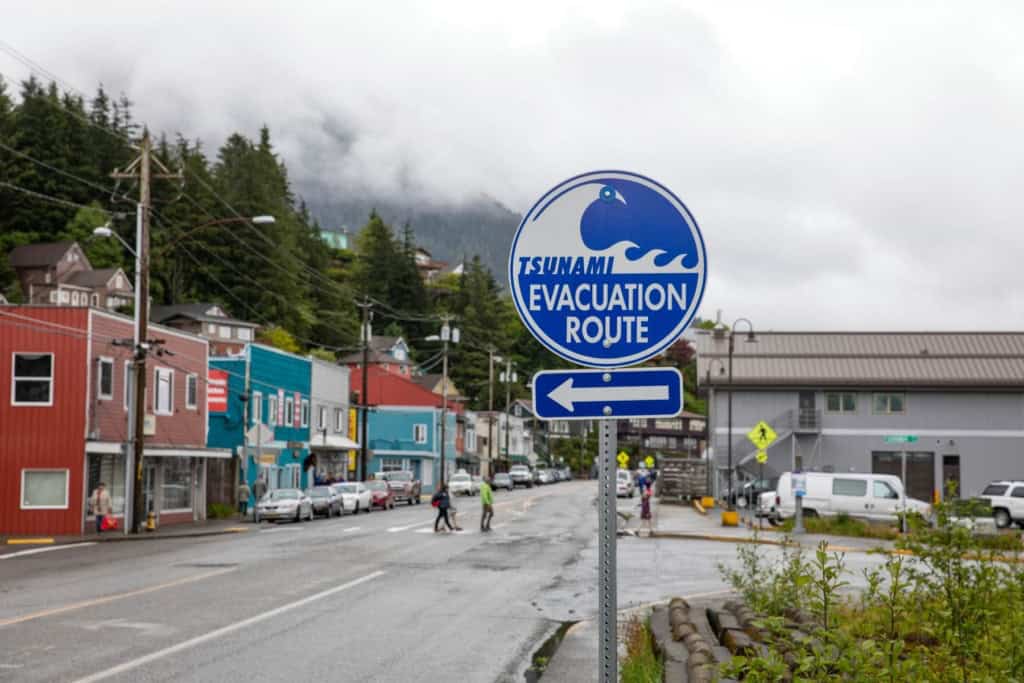
Beyond common hazards, travel advisories provide valuable insights into concerns tourists might not have considered, such as political instability or disease outbreaks.
These official government advisories usually offer more comprehensive and reliable information than private travel guides, helping tourists make better-informed decisions and navigate their destination more safely.
Helping Expats Prepare for Long-Term Safety
Travel advisories aren’t just for tourists, though. If you’re moving to a foreign country, they can provide detailed information about the potential risks in specific destinations, helping you assess your comfort level and make informed decisions about your relocation.
For example, you might feel comfortable living in a country with a high malaria risk but prefer to avoid areas with high levels of terrorist activity. By comparing risks across different destinations, you can select a location that aligns with your personal comfort level.
Advisories also highlight factors like regional crime rates, prevalent diseases, common natural disasters, and other risks specific to certain areas. This information can help you navigate your new environment more effectively and settle in safely.
For those relocating for work, even when relocation is not a personal choice, it’s essential to understand the challenges of your new home. Government advisories provide crucial insight into health risks, local regulations, and areas to avoid, helping you prepare for a smooth transition.
While government advisories shouldn’t be the only factor in your security planning, they offer valuable guidance and serve as an excellent starting point for understanding the potential risks in your new environment.
Tailored Information for Specific Nationalities
Government advisories do more than address general safety concerns – they also highlight risks specific to citizens of different countries. These advisories offer crucial insights for travelers, helping them understand the unique challenges they might face abroad.
For instance, a recent update to the U.S. advisory for China warns Americans not to get involved in street protests due to an increased risk of foreign nationals being arrested for perceived involvement in seditious activities.
Similarly, if you’re an American moving to India, the advisory can help you understand how you will likely be viewed and treated there. Likewise, a citizen of Hong Kong relocating to the U.S. or a New Zealander moving to Germany can gain valuable insights into the specific risks and cultural dynamics they might encounter in those countries.

Types of Travel Advisories, Warnings, and Alerts
The term “travel warning” was previously used to describe high-risk travel destinations. However, today, most countries, including the U.S., have replaced this term with travel advisories or travel advice systems.
A travel advisory provides ongoing guidance regarding the safety of traveling to a particular country. In contrast, travel alerts are issued for more urgent, emergent situations – such as natural disasters, civil unrest, or political instability – that temporarily make travel to a specific country or region risky.
Travel Advisories: Ongoing Safety Guidance
Since 2018, the United States has replaced its “Travel Warning” system with the Travel Advisory system, which assigns levels to countries based on how safe they are for travelers. Canada uses a similar system.
In contrast, countries like the U.K. maintain a Foreign Travel Advice page, which links to individual country pages but doesn’t assign risk levels.
Unlike the old travel warnings, which were issued for high-risk countries, travel advisories now cover most or all destinations and offer valuable information, advice, and safety tips for travelers.

For some countries, travel advisories specify different risk levels for various regions, sometimes referred to as “regional advisories.” Be sure to check the full advisory page for a country to see which areas are considered higher risk.
Travel Warnings: High-Risk Destinations
When a country is considered high-risk, it receives a rating indicating the level of danger, such as the U.S.’s “Do Not Travel” or “Reconsider Travel,” or Canada’s “Avoid Non-Essential Travel” and “Avoid All Travel.”
While these ratings are no longer called “travel warnings,” they still serve as a quick guide to help travelers identify countries with elevated security risks.
In the U.S. system, countries are rated on a scale from Level 1 (Exercise Normal Precautions) to Level 4 (Do Not Travel). Countries rated Level 1 or Level 2 are re-evaluated at least every 12 months, while those with Level 3 or Level 4 ratings are reviewed every six months.
Travel Alerts: Short-Term Warnings for Emerging Threats
Travel alerts can be issued anytime for any country, regardless of its current travel advisory status. For example, the U.S. may classify Georgia as a Level 1 – Exercise Normal Precautions.
However, in late November 2024, a travel alert was issued advising U.S. travelers to avoid the Parliament building in Tbilisi due to protests surrounding Georgia’s recent elections.
Governments issue alerts when a short-term threat emerges, such as political unrest, natural disasters, or civil disturbances. These alerts are designed to address immediate risks and usually remain in effect until the situation stabilizes.
If the threat continues or escalates, the country’s travel advisory level may be adjusted to reflect the ongoing dangers. For example, if the protests in Georgia escalate into widespread violence or other safety concerns, the U.S. may raise its advisory level from Level 1 to Level 2 or 3, providing a more detailed assessment of the risks for travelers.
In most cases, travel alerts are separate from long-term advisories. Governments with alert systems often provide text or email notifications to keep travelers updated.
How Do Travel Advisories Work?
Understanding how travel advisories work and knowing where to find them before you travel abroad is crucial for making informed decisions and staying safe.
Who Issues Travel Advisories?
Governments issue travel advisories to help their citizens make informed decisions about international travel. The primary Anglophone countries – the U.S., U.K., Ireland, Canada, Australia, and New Zealand – each maintain their own travel advisory systems.
The European Union (E.U.) provides a centralized resource linking to the travel advisory pages of its member countries, ensuring consistent and accessible guidance for travelers across the bloc.
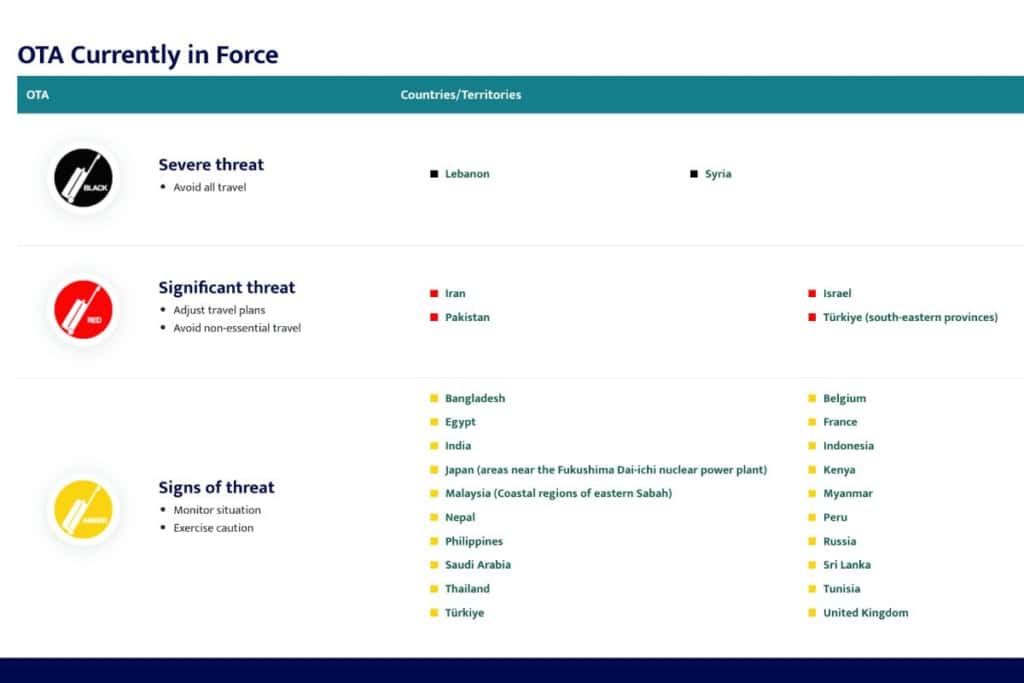
Hong Kong also issues advisories specific to the destinations most frequently visited by its residents, focusing on localized concerns and safety information.
Agencies that Issue Travel Advisories
- Australia: Smartraveller
- Canada: Department of Foreign Affairs
- European Union: European Commission Travel Advice
- Hong Kong: Security Bureau
- Ireland: Department of Foreign Affairs
- New Zealand: Safetravel
- United Kingdom: Foreign, Commonwealth & Development Office (FCDO)
- United States: Department of State
Additional Resources for Expats: Embassies and Consulates
If you live abroad, you may need more support than a travel advisory from your home country can provide. This is where embassies, consulates, and international organizations can step in.
Whether you’ve lost your passport, become involved in a local incident, or are facing legal or safety challenges, these institutions are equipped to provide guidance, emergency assistance, and consular services to help you navigate difficulties in a foreign country.

Finding Embassy Information
To locate the nearest embassy or consulate, visit your government’s official foreign affairs website or search online. Many embassies also have social media accounts and post updates and contact information.
The following links provide direct access to embassy directories for key countries, ensuring you can find support when needed.
- Australian Embassies and Consulates
- Canadian Global Affairs Directory
- Irish Embassies
- New Zealand Consular Services
- UK Foreign, Commonwealth & Development Office
- U.S. Embassy Finder
Key Considerations for Issuing Travel Advisories
Governments take multiple factors into account when issuing travel advisories. The U.S. State Department’s guidelines for issuing travel advisories are comprehensive and reflect similar systems used by other countries.
These factors, listed on the Safety and Security Messaging page, are indicated by letters in the advisory itself:
- C – Crime: Widespread violent or organized crime is present in certain areas of the country. Local law enforcement may have limited ability to respond to serious crimes.
- T – Terrorism: Terrorist attacks have occurred, or there are specific threats against civilians, groups, or other targets.
- U – Civil Unrest: Political, economic, religious, or ethnic instability may lead to violence, major disruptions, or safety risks.
- H – Health: Health risks are present, including disease outbreaks or disruptions to a country’s medical infrastructure. This could also include a Centers for Disease Control Travel Notice.
- N – Natural Disaster: A natural disaster or its aftermath poses a danger.
- E – Time-limited Event: Short-term events, such as elections, sporting events, or other incidents, may create safety risks.
- K – Kidnapping or Hostage Taking: There is a risk of criminal or terrorist groups kidnapping or detaining individuals to demand action from a third party (including a government).
- D – Wrongful Detention: The risk of wrongful detention of nationals exists.
- O – Other: There are potential risks not covered by previous indicators. Always refer to the country’s specific Travel Advisory for details.
Additional Travel Information
Travel advisory pages often include other advice and information about a travel destination, such as passport control, visa requirements, and currency exchange.
You’ll also likely find information about the local laws and customs in a place, especially if they differ from those of your home country.
Health information is also common, including recommendations or requirements for carrying travel insurance, health risks specific to the country, the state of medical care, and how to handle or obtain medications.
How to Stay Updated on Travel Advisories
There are several options for keeping abreast of changes in travel advisories. These alert systems can be helpful for both tourists and relocators and are useful both before and during your trip.
Whether you’re from the United States or elsewhere in the world, there are ways to stay up-to-date on issues that impact your safety.
US-Specific Tools: STEP Program and Travel Advisory Website
The U.S. State Department’s Travel Advisory provides advisories and alerts that you can look up at any time. They also issue alerts on social media, and their various sites can be found at the bottom of the page.
The State Department also offers the Smart Traveler Enrollment Program (STEP). When you sign up for STEP, the system will send you travel alerts by email about the countries you subscribe to.
You can also enroll your specific travel with STEP, which allows the embassy or consulate to contact you in an emergency and helps family and friends find you.

According to the State Department, STEP allows you to:
- Get real-time updates about health, weather, safety, and security in the country
- Plan ahead using information from the local U.S. embassy
- Help the embassy or consulate contact you if there is an emergency, such as a natural disaster, civil unrest, or a family emergency.
Registering with STEP is free and takes about 20 minutes.

For $75, U.S. travelers can undergo a background check and get TSA PreCheck, which allows for faster airport security screening in U.S. airports. If you’re a member of Global Entry, NEXUS, or SENTRI, you can also enjoy TSA PreCheck benefits, even if you’re not a U.S. citizen or permanent resident. These programs can smooth your international travel experience by offering expedited security and border processing.
Global Resources: Embassy Websites and WHO
As mentioned earlier, many countries maintain their own travel advisory sites, and several offer email alert services.
For example, Global Affairs Canada provides its Registration of Canadians Abroad program, while Australia’s Smartraveller offers a subscription service. The U.K. also allows users to sign up for email alerts through its travel website.
These travel advisory sites can also inform you about embassy locations in the country you’re visiting. For example, France’s advisory on Afghanistan recommends against all travel and notes that its embassy in Kabul is closed.
If you’re relocating to another country, it’s wise to locate your local embassy and take advantage of its services. Embassies and consulates are government offices that one country maintains in another country to manage diplomacy and provide resources to its citizens abroad.
Many embassies also have websites where you can find information about the presence of your home country in the country you’re visiting or living in. The World Health Organization (WHO) also offers travel advice about disease outbreaks and other health risks.
Travel Apps and Alerts
There are several apps available that can help you stay informed about travel safety directly from your smartphone.
- MySafeTravel: This private app aggregates security information and alerts tailored to individual travelers.
- Smart Traveler App (iOS and Android): This app, provided by the U.S. State Department, offers real-time alerts and important information about travel advisories.
- Sitata: A travel safety and alert app that offers personalized alerts for various risks and safety concerns while traveling.
- TripIt: Although more focused on organizing travel plans, TripIt can integrate with travel safety alerts and provide notifications about delays, cancellations, or safety events.

These apps help travelers stay informed about various risks, ranging from security to natural events, ensuring safer journeys.
Countries with Travel Advisories
Countries facing greater security risks are assigned a higher risk level or a more urgent color code in the U.S. and other countries with a ranking system. Several countries appear on global “Do Not Travel” lists, reflecting significant security risks.
The U.S. Department of State’s Travel Advisory page provides up-to-date information about these countries and other travel advisories. You can also refer to the Travel Advisories Map to view current advisory levels visually.

What Countries Have Travel Advisories?
In the U.S., the U.K., and other English-speaking countries, most nations worldwide are assigned travel advisories. Historically, travel warnings were only issued for countries with high security risks.
However, today, even countries considered relatively safe are included, with advisories offering detailed information on specific safety concerns.
Regions Frequently Highlighted in Travel Warnings
In the U.S., Canada, and the U.K., the regions most often highlighted in travel warnings include the Middle East, parts of North and Central Africa, and certain areas in Central and South America.
Longtime members of the U.S. Department of State’s travel advisory list include:
- Afghanistan
- Burkina Faso
- Burma (Myanmar)
- Central African Republic
- Iraq
- Iran
- Libya
- Mali
- North Korea
- Somalia
- South Sudan
- Sudan
- Syria
- Yemen
Emerging Hotspots
Some countries have experienced recent security issues, which have caused them to be added to the ‘Do Not Travel’ list.
Current wars, disasters, and regime changes have added the following to several countries’ lists:
- Belarus
- Haiti
- Israel, the West Bank, and Gaza
- Lebanon
- Niger
- Russia
- Ukraine
- Venezuela

Health Insurance
Understanding Risk Levels by Country
Different countries have their own systems for determining and ranking the risk levels for other countries. However, Anglophone countries generally align closely in their approaches.
- U.S. System: The U.S. Department of State uses a 1-4 ranking system:
- Level 1: Exercise normal precautions
- Level 2: Exercise increased caution
- Level 3: Reconsider travel
- Level 4: Do not travel
- Canada: Canada’s system is similar to the U.S., with categories ranging from low risk to high risk.
- Australia: Australia’s system also mirrors the U.S. and Canada, though the phrasing may vary slightly.
- The U.K.: The U.K. does not use a numeric ranking system. Instead, it provides individualized advice for each country, which you can find by visiting the specific travel advisory page for the country in question.
Examples of Countries Under Travel Advisories
In addition to the “hot spots” mentioned earlier, several other countries have heightened advisory levels, which travelers may not be aware of.
- Level 2: Exercise Increased Caution: The U.S. State Department rates some popular tourist destinations, such as Turks and Caicos, Indonesia, and European countries like France, Spain, Germany, and Denmark, at Level 2.
- Level 3: Reconsider Travel: Other countries, including Guatemala, Jamaica, Brazil, and Egypt, are at Level 3, meaning travelers should reconsider their plans to visit these locations.
- Level 4: Do Not Travel: Certain regions of Mexico have been given a Level 4 advisory, while other parts of the country are rated lower. The advisory level for specific regions in Mexico ranges from Level 2 to Level 4.
- Other Countries with Elevated Advisories: Colombia also has a Level 3 advisory, and other popular retirement destinations, such as Costa Rica, Panama, and the Bahamas, all have Level 2 ratings.
Preparing for International Travel or Relocation
Unless a country is marked as “Do Not Travel” (the highest risk category), each destination should be assessed based on your risk tolerance.
For example, a country marked “Reconsider Travel” by the U.S. or “Avoid Non-Essential Travel” by Canada may present risks you’re unwilling to take or not prepared to manage.
However, these advisory levels typically refer to violence-related risks rather than other factors, making these destinations less suitable for tourism.
It takes time and escalating events for a country to receive a Level 3 or Level 4 advisory. If you’re living abroad, it’s important to stay informed by monitoring travel alerts for your country of residence.
Once an advisory of this level is issued, it can become difficult or even impossible for an embassy to assist with evacuation.
If you’re considering travel to a high-risk country, it’s a good idea to purchase Cancel for Any Reason (CFAR) travel insurance. This coverage allows you to cancel your trip for any reason, offering flexibility if security risks unexpectedly increase. Some travel insurance plans also include emergency evacuation coverage for cases of political unrest or natural disasters. However, not all policies offer this, so check the terms.
Planning Around Travel Warnings and Advisories
When planning your trip, be sure to check the travel advisories issued by your home country for your destination.
Notably, while the U.S. doesn’t restrict travel to any country except for North Korea, it’s generally not advisable to visit countries with a Level 3 warning or higher. If you’re a U.S. traveler, make sure to enroll in the STEP program so you can receive updates about your destination up until your trip.
If you’re traveling from another country, it’s important to consult your own government’s travel resources. Many countries have foreign offices that provide travel advice for their citizens.
The World Health Organization (WHO) also offers valuable guidance, particularly regarding disease outbreaks, helping you assess safety around health-related issues globally.
Practical Tips for Relocating to Countries Under Advisories
If you plan to relocate to a country under a travel advisory, do all the research you can about where you’ll be living. Here are some practical tips:
- Check for Regional Advisories: Sometimes, a country has varying levels of caution depending on the region. Try to locate yourself in a safer area of the country with less risk.
- Understand Specific Risks: Learn about the specific dangers in your new home. If there’s civil unrest, learn about the causes, locations, and current situation. Investigate patterns, common targets, and strategies to reduce your risk if crime or kidnapping is a concern.
- Talk to Locals: People living in the area can often provide more accurate, up-to-date information than government sources. Locals can also offer insights into how much danger you, as a foreigner, might face.
- Connect with Other Expats: Joining an expat community can offer valuable support and increase your safety by allowing you to gain valuable insight from others who have lived there for longer.
- Make an Emergency Plan: Be prepared with contact information for emergencies. Know where your embassy or consulate is, which hospitals are safe, and how you would leave the country in case of an emergency.
- Learn Local Laws and Customs: The more you understand and follow local customs, the less likely you are to stand out as a foreigner. Depending on language and ethnicity, blending in may be easier or harder, but minimizing attention can reduce your exposure to risk.
The Role of Travel Insurance in Staying Safe Abroad
Travel insurance is a valuable tool for protecting yourself when traveling to a destination with a travel advisory level of 2 or higher.
Depending on your plan, it can cover risks such as terrorist events and civil unrest, medical expenses for disease outbreaks or accidents, and reimburse you if you need to cancel your trip.
However, it’s important to note that travel advisories impact travel insurance, and those visiting a country with a specific travel warning may lose some or all of their travel insurance benefits. Therefore, it’s essential to review your policy’s terms carefully to ensure that you’re adequately protected before traveling.
Our article on comprehensive travel insurance provides detailed insights into the various travel plans available.
If you’re moving to a higher-risk country, having global health insurance is even more important. Ideally, your medical plan should cover treatment in your host and home country, though some offer worldwide coverage.
If you need to leave your host country suddenly due to dangerous conditions, you should also have insurance that will cover you in neighboring countries.
Find the Best International Medical Insurance
- Compare multiple quotes from top insurers
- Get expert advice at no additional cost
- Find the right plan for your needs and budget
You can learn more about the different global medical plans in our article on international health insurance.
Staying Safe and Prepared for Your Overseas Adventures
With travel advisory pages available for nearly any destination, you can learn everything you need to know before traveling or relocating to a foreign country. Heightened advisory levels and short-term travel alerts can help you plan effectively for any trip abroad.
U.S. citizens have access to the State Department’s robust travel advisory and alert system, which can help tourists and those relocating for long-term study understand the risks of their chosen country. Many other countries also provide travel advisory pages on the websites of their embassies or consulates.
Before you take a trip or move, check your government’s recommendations for traveling to the country you’re considering. Knowing the dangers can help you make smart decisions and avoid acting out of ignorance or unfounded fear.
In addition to being informed, ensure you’re financially protected by securing travel insurance. Getting the right coverage can help mitigate unexpected events, from sudden illness to natural disasters or political instability.
By combining government resources, support networks of family, friends, expat communities, and locals, and having the right coverage, you’ll be prepared and confident in your overseas adventure.
Find the Best International Travel Insurance
- Compare top-rated travel insurance providers
- Get quotes for Travel Medical, Trip Cancellation, and more
- Choose the best plan for your trip and budget