

International Health Insurance
Gain valuable insights and practical tips for navigating international health insurance while living abroad. From coverage details to expert advice, this comprehensive guide helps travelers…

International medical cover for expats and their families.
Medical and trip cancellation coverage for international travel.
Life insurance for globally mobile individuals living or working abroad.
Comprehensive international medical coverage for groups.
Medical, accident, and liability protection for global travel.
Financial protection for employees worldwide.
Most Popular Country Guides
Healthcare, insurance, and living insights to plan life and travel in each destination.
Healthcare, safety, and practical guidance for living abroad.
Tips and guidance for safer, smarter international travel.
Resources for global mobility, HR, and international teams.
Planning your next move abroad? Consider these 10 key questions to determine “where should I move” based on your budget, lifestyle, family, and healthcare needs.

If you’re considering a new life abroad, or have already decided to relocate but are still asking yourself, “Where should I move?” there are some important factors to consider. Not every city or country is the right fit for every expat, and finding the place that truly suits you and your family’s needs requires looking beyond first impressions.
Even destinations that appear similar on the surface can differ greatly in lifestyle, affordability, safety, and opportunity. This article outlines ten key questions to help you compare your options and decide which place is the best match for your next chapter abroad.

Let’s be honest: life isn’t getting any cheaper. That’s why researching affordability is essential when deciding where to move abroad, as some countries are simply more expensive than others.
Indeed, it doesn’t matter whether you’re a student, a young family, or a retiree; the cost of living in a new city or country will greatly affect your ability to enjoy your new life overseas.
With this in mind, start looking into the average salary for your industry and career level, as well as the salaries of any working family members. This will provide a solid foundation for the rest of your planning.

You can then compare salaries with housing costs, such as rent or mortgage, keeping in mind that spending more than 30% of your income on housing is considered cost-burdened and best avoided.
You should also consider the local tax system, the tax implications for expats, and whether you are liable for any other tax payments in your home country.
Other important costs to consider include food, everyday utilities such as electricity and water, and going out. You should also look into transportation costs, whether by public transit or by car.
Be aware that affordability differs both between countries and within countries. Living costs are typically higher in bigger cities, so you may wish to look at smaller satellite towns and cities to keep costs down without compromising too much on location.
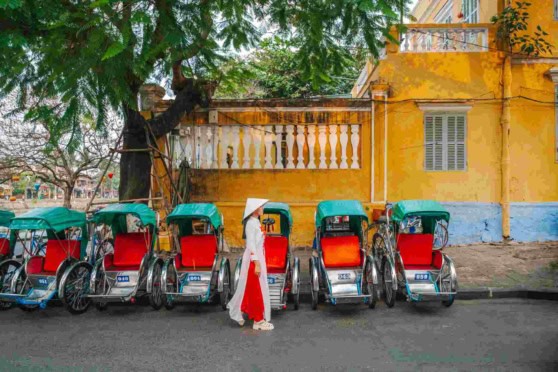
Unless you are a digital nomad or retiree, a key consideration when asking “where should I move?” is the local job market and whether you can find work.
An important place to start is by reviewing the local visa situation and whether you’ll need a work visa to find employment.
Typically, you will need to apply for a work visa in advance, though in some countries you can apply for one while on a tourist visa.
You’ll also need to consider whether there are career opportunities in your industry in the local area, as not all job markets are created equal.
For example, if you work in the automotive or pharmaceutical industries, you may struggle to find career opportunities on an island where tourism is the main industry.
You’ll also need to consider your language skills, as even positions in your chosen industry may require a certain level of proficiency in the native language.
And even if you are a digital nomad, there are still certain issues to consider when it comes to job opportunities. For instance, the quality and reliability of WiFi, as well as any time zone differences between you and your clients.
It might sound obvious, but the climate and geography of a new home are key to your enjoyment of it, and should be a consideration when moving abroad.
The right climate largely depends on your and your family’s needs and preferences, as well as on what you value most in life.
For example, do you want to live by a beach and go surfing every morning? Then a mountain village is probably not for you. Do you enjoy wintery weather and snowfall? Then you may want to reconsider moving to Dubai.

However, there are other issues related to climate and geography to consider. A good place to start is researching average monthly temperatures and rainfall, which can give you a helpful overview.
Remember that climates can vary significantly within a country, so be specific with your research. For example, Vietnam experiences drastically different climates between regions, so even within a single country, you can still find the right climate for you.
Be aware, too, of natural disaster risks such as hurricanes, earthquakes, and flooding, as well as the risk posed by rising sea levels, which could have grave implications for low-lying island nations.
Finally, if you or a family member has respiratory illnesses such as asthma, be sure to check local air quality levels, particularly in big cities with heavy traffic and pollution.
This is an important one. Whether you have a young family, teenage kids, or are planning to start one in your new home, moving abroad with children requires significant thought and research.
The first thing to do is assess how family-friendly your chosen location is, and the general attitudes towards parenting, as these can vary significantly between countries, regions, and religions.
Next, look at childcare and education. Many expats choose to send their children to international schools, so exploring these options, including costs and ratings, can be worthwhile, especially when assessing the local cost of living.
Alternatively, if you plan to use public schools, you should check the quality of the local school district and how accommodating schools are to expat children, particularly if your kids do not speak the local language.
Other things to consider include the quality and provision of local pediatric healthcare, crime statistics and safety rankings, and the accessibility of any extracurricular activities your children enjoy, such as music or sports.
Finally, a simple Google Maps search can help you identify other key, family-friendly must-haves in your new home, such as parks, playgrounds, green spaces, and leisure centers.
A great way to understand how other expats are raising children is to join local Facebook groups or Reddit subreddits. You can interact directly with other parents and get more ‘on the ground’ insight into the benefits and challenges of parenting in your potential new home.
Your family’s health comes first, so when planning a move abroad, it’s crucial to understand the local healthcare system.
Healthcare provision varies widely around the world in terms of service, access, and cost. A good starting point is our guide to the world’s best healthcare systems.
We use the latest data from reputable organizations, including CEOWORLD Magazine, The Commonwealth Fund, WHO, and OECD, to help you quickly compare countries.

If your chosen location has a public healthcare system, research whether expats are eligible, whether there is a reciprocal healthcare agreement, and any specific requirements, as these can vary widely between countries.
You may also wish to look into the quality of local hospitals and clinics, prescription costs and availability, and whether you’ll be able to communicate with healthcare providers.
Many expats opt for private health insurance to access higher-quality facilities, shorter wait times, and conveniences such as English-speaking doctors.
While private care can be more expensive and often requires upfront payment, insurance can help cover these costs and provide peace of mind.
It’s important to research your options thoroughly, especially if you or a family member has specific healthcare needs, such as pre-existing conditions. Make sure the local system can adequately meet these needs before making a move.
To gain insights from others in similar situations, consider joining local Facebook groups or Reddit communities focused on expats and healthcare in your destination.
When moving abroad, it’s important to understand not only the local political and social situation but also local sentiment towards foreigners.
Generally speaking, it’s always a good idea to avoid countries in active conflict, those experiencing periods of heightened political instability, or those where expats could be putting themselves in danger due to high crime rates.
It’s important to note that even in countries deemed safe to visit, there may still be regions and cities where unrest continues and are therefore best avoided.
As part of your research, you should always check travel advisories to see if any advice or guidance has been provided by government officials.
Another important thing to note when moving abroad is the attitude of locals towards foreigners or citizens of particular countries.
For example, in recent years, anti-US sentiment has grown across much of Europe, though much of this has been directed at political figures and American goods, not at individual US citizens moving abroad.
Another key consideration when asking yourself “Where should I move?” is whether a new city or country aligns with both your lifestyle and personal values.
When assessing lifestyle fit, compare your current lifestyle (what you like to do in your free time and who you like to spend it with) with the offerings of any potential new home.
For example, if you’re a single twenty-something who enjoys clubbing, foreign cuisine, and fitness classes, you’ll probably want to relocate to a large, international city that can offer these opportunities and more.

Similarly, if you’re a retiree who enjoys being outdoors, walking in nature, and a quieter way of life, you may wish to move to a small town or village in a more rural or coastal setting.
Another thing to consider is the societal values of any potential new home and whether they align with your own.
For example, if you’re a member of the LGBT+ community, you’ll probably feel more secure and confident living in a more open-minded society that offers more chances to meet like-minded people with progressive values.
To ensure you move to a country or city that aligns with your values and lifestyle, be sure to do plenty of research or, if possible, visit as a tourist for a few days beforehand. This will give you valuable insight into everyday life and help you decide whether it is the right place for you.
When moving abroad, housing is often a key concern. Indeed, in some more sought-after locations, finding appropriate and affordable housing can be a real challenge for expats.
One way to avoid disappointment is to thoroughly research your accommodation options well ahead of time, to give yourself the best chance of success.
However, it is important to note that housing stock varies significantly between and within countries, which could ultimately affect housing options in your new home.
For example, if you’re a young and growing family, you might find that cities like Amsterdam and Copenhagen, which contain mostly apartments, do not offer the large, detached family homes you require.
In this situation, you’ll need to get creative with your housing options and potentially look at surrounding towns and cities where you may be able to find appropriate housing.
Furthermore, housing costs are also important to consider as part of the cost of living in your potential new home, both in terms of mortgages and rent.
To give yourself the best chance of finding somewhere to live, you may wish to enlist the help of a realtor who will know the local market and have a better idea of prices and fees.
Wherever you decide to move abroad, you’ll need to get around your new home effectively and efficiently with a mode of transportation that meets your and your family’s unique needs.
In most countries, the car will likely be your preferred way to get around. However, if you plan to import your own car, you’ll need to look into import taxes and procedures in advance.
Driving in your new home may also require a local driver’s licence, depending on the country of issue, or even an international driving licence.

However, if you are planning a longer stay, it is typically advisable to exchange your driver’s licence for a local licence to avoid any issues further down the line.
Alternatively, you might be looking for a new life that doesn’t rely on your car, in favor of a place with higher walkability or bikeability than you’re used to.
For example, many towns and cities in Europe, such as those in Denmark and the Netherlands, are well-equipped with cycle infrastructure, meaning many locals don’t even own a car.
Finally, in some locations, public transit is the most effective way to travel, whether train, tram, bus, or metro. However, costs can vary drastically even within the same country, so research prices in advance.
Whether a potential new home offers a good quality of life largely depends on your own individual needs, expectations, values, and circumstances.
To get a better idea, ask yourself what would make your life and your family’s life happier. Is it easy access to green spaces and mountains? International cuisine and high-end culture? Or could it simply be a laid-back lifestyle?
Depending on your situation, here are a few factors to consider when deciding where to live:


Wherever you choose to move, an exciting new chapter of your life is just around the corner.
The research may feel overwhelming at times, but it pays off when you and your family are happy and settled in a place that truly feels like home.
Remember, moving abroad is meant to be an adventure. Balance the practical considerations with your own instincts. If a country or city feels right, that’s often a good sign you’re heading in the right direction.
One practical step that can make the transition easier is arranging international health insurance. Having reliable coverage means you’ll be able to access quality medical care wherever you live, without worrying about unexpected costs or navigating an unfamiliar system.
If you’d like guidance, an experienced broker can help you compare plans and find coverage that fits your destination, budget, and lifestyle, so you can focus on enjoying your new beginning.
Ready to take the next step? Book a call today to explore your options and start planning your move.