

International Health Insurance
Gain valuable insights and practical tips for navigating international health insurance while living abroad. From coverage details to expert advice, this comprehensive guide helps travelers…

International medical cover for expats and their families.
Medical and trip cancellation coverage for international travel.
Life insurance for globally mobile individuals living or working abroad.
Comprehensive international medical coverage for groups.
Medical, accident, and liability protection for global travel.
Financial protection for employees worldwide.
Most Popular Country Guides
Healthcare, insurance, and living insights to plan life and travel in each destination.
Healthcare, safety, and practical guidance for living abroad.
Tips and guidance for safer, smarter international travel.
Resources for global mobility, HR, and international teams.
Explore the best countries with no income tax and find out which zero-tax destinations are ideal for expats, retirees, and investors looking to maximize their earnings and plan their move abroad.

Imagine living in a country where you never have to pay income tax on your earnings. While it may sound like a dream, multiple destinations around the world operate without a personal income tax. This means that residents typically don’t pay tax on their salary, hourly wages, or, in some cases, investment gains.
While these jurisdictions still generate government revenue through other means, living in one can be a game-changer for digital nomads, remote workers, and investors looking to build wealth and manage the global cost-of-living crisis. If you’re looking to keep more of what you earn, this article highlights countries with no income tax, how their systems work, and what to consider before making a move abroad.
Having zero personal income tax means the government does not take a direct portion of your individual earnings. If you earn $100,000, you keep the full amount.
However, no country can operate without revenue. Governments still need to fund public services such as roads, hospitals, education, and infrastructure. So, if they aren’t taxing your income, they are often taxing your wallet in other ways.
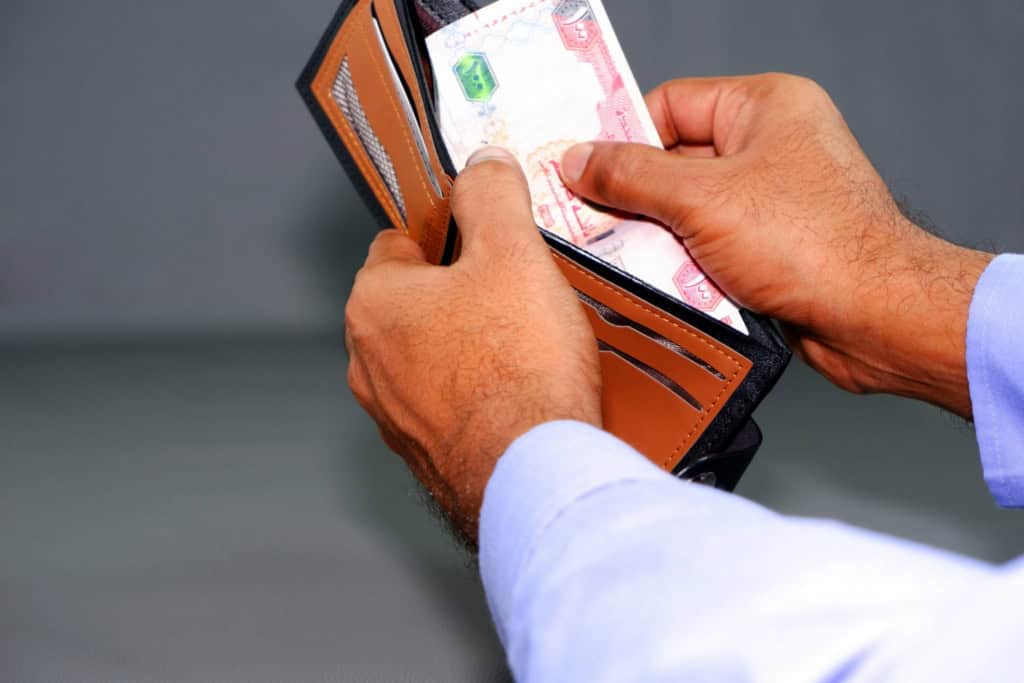
Common alternatives include:
So, while your paycheck remains untouched, your overall cost of living may still include a fair amount of hidden taxes.
It’s important to understand that moving to a zero-income-tax country does not necessarily eliminate your tax obligations back home.
For example, if you are a U.S. citizen, Uncle Sam still requires you to file your taxes every year based on your worldwide income, regardless of where you live.
The United States is one of only two countries (along with Eritrea) in the world that taxes its citizens based on citizenship rather than residency.
The rest use a residence-based taxation system, meaning your tax obligations are tied to where you physically live, not what passport you hold.
For most of these countries, spending more than 183 days a year in the country is the primary step to establishing tax residency and avoiding income tax elsewhere. However, you usually also need to officially sever your ties to your home country.
For more details on how this works in practice, read our Complete Guide to Taxation for American Expats.
Below, we break down 15 countries where residents can legally keep 100% of their earned income.
We also provide a look at their corporate taxes, other fees, and residency options, so you can see which destination best fits your work, retirement, or investment plans
This region is the gold standard for tax-free living. These countries historically relied on oil wealth, meaning they don’t need to dip into your paycheck to build their glittering skylines.
This makes them especially attractive for expats looking to maximize their take-home income while still enjoying modern infrastructure and a high standard of living.

Often called the hidden gem of the Gulf, Bahrain is more laid back and affordable than its neighbor, Dubai.
It offers a strong bridge between Western comforts and authentic Middle Eastern culture. This makes it a strong fit for retirees and families looking for a slower pace of life without sacrificing modern conveniences.
Residency and visas: Foreigners can obtain a Self-Sponsorship Residence Permit if they own property valued at at least BHD 50,000 (~$132k) or are retirees with a steady income.
Kuwait is often described as one of the purest tax havens in the region because it has resisted the urge to implement a VAT like its neighbors. Your paycheck is your take-home pay.
However, Kuwait is more conservative and less touristy than Dubai. It’s a place to work hard and save fast, rather than a place to party.
This makes it particularly well-suited to specialized professionals such as engineers, doctors, and oil and gas experts who want to maximize their savings over a limited period.
Residency and visas: It’s a bit tougher in Kuwait. Most expats need a job offer (Work Visa) to live there. There is no widely used Golden Visa tied to property yet, making it hard to relocate without work support.
Fun Fact! Kuwait’s currency, the Kuwaiti Dinar (KWD), is the world’s most valuable currency unit. One dinar is worth over $3 USD. This high value is partly due to Kuwait’s oil-rich economy and its historically stable monetary policy, including a managed exchange rate system.
If Kuwait is for saving, Oman is for living. Known for its incredible mountains, beaches, and Old Arabia charm, Oman offers a more relaxed and scenic lifestyle. You can enjoy a high quality of life at a much lower cost than in Dubai or Qatar, making it a true budget-friendly luxury tax haven.
This balance of affordability and natural beauty makes it especially appealing to digital nomads and retirees seeking a peaceful environment away from the pace of major financial hubs.
Residency and visas: Oman offers an Investor Residency Program. You can get a 5-year or 10-year visa by investing in real estate (starting around $65k-$130k, depending on the area) or by starting a business.
Home to one of the world’s highest GDP per capita, Qatar offers expats a tax-free salary in an ultra-modern, extremely safe environment.
While imported goods and rent can be expensive, the overall lifestyle and earning potential make it particularly attractive to professionals in energy, finance, and sports management.
Residency and visas: You can get residency by purchasing property in designated areas (min. $200k).
The UAE, especially Dubai and Abu Dhabi, is the poster child for the modern expat lifestyle. You can enjoy world-class infrastructure, tax-free income, and a “Las Vegas in the desert” vibe.
Just don’t expect to save much if you’re not earning well, as high living costs and rent can quickly eat into your income. As a result, it’s best suited to high-income earners, digital nomads, and entrepreneurs.
Residency and visas: Very expat-friendly. You can get a Golden Visa (10 years) by investing in property (min. AED 2M) or being a top talent. There’s also a Green Visa for freelancers.
These islands generally have zero corporate tax for local businesses, but they are getting stricter with large multinationals due to new global minimum tax rules.
Anguilla is exclusive, low-key, and ultra-luxurious. It’s known for avoiding mass tourism, making it an attractive tax-free hideaway.
The island is peaceful and private, though infrastructure and shopping options are more limited than in the Caymans. It is best suited to people who want to disappear into a luxury, low-key island lifestyle.
Residency and visas: They have a Residency by Investment Program starting at $150,000 via a contribution to a government fund or $400,000 in real estate.
The Bahamas is arguably the most famous name on this list. It’s right on the doorstep of the U.S. and offers a high-end, tropical lifestyle.
You keep your whole salary, but physical goods, such as a new car or imported groceries, are much more expensive than on the mainland.
This makes it well-suited to high-net-worth individuals, retirees, and families who want to stay close to North America.
Residency and visas: Foreigners can obtain Permanent Residency by purchasing residential property valued at $750,000 or more. There is also an Annual Residence Permit for digital nomads.
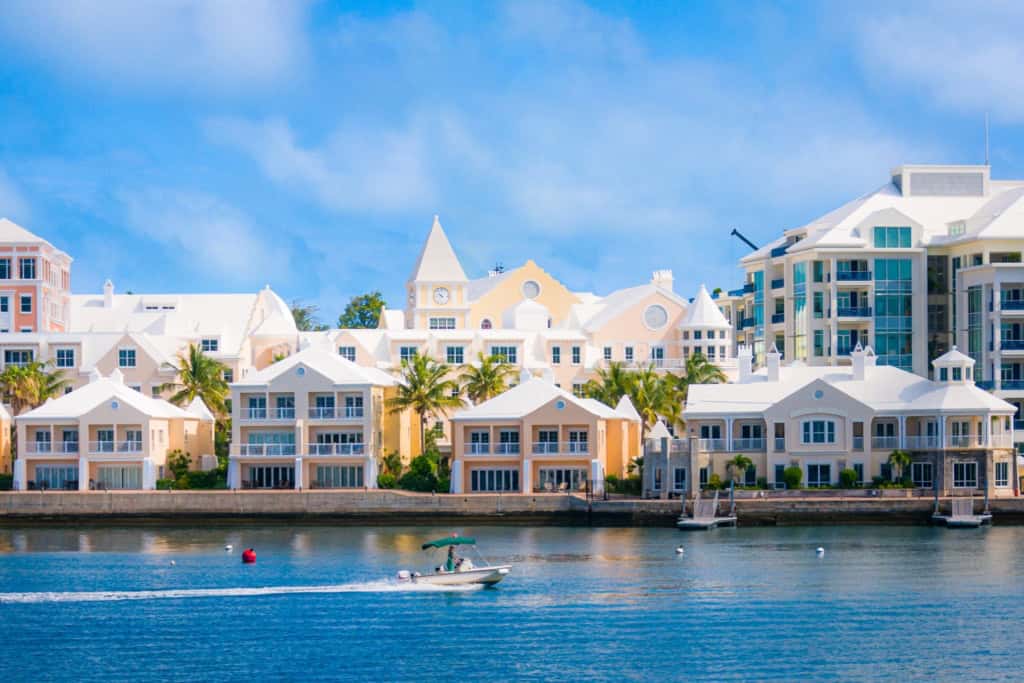
Bermuda is highly developed, incredibly safe, and a major global hub for the insurance and finance sectors.
The trade-off is that it consistently ranks among the most expensive places in the world to live, with high housing, goods, and service costs.
This makes it best suited to high-level executives, insurance professionals, and high-earning remote workers.
Residency and visas: Bermuda offers a Work from Bermuda Certificate for digital nomads, valid for 1 year. Permanent residency is much harder to get and usually requires significant investment or long-term work.
The Cayman Islands are often referred to as the Switzerland of the Caribbean – highly stable, very safe, and extremely wealthy.
They are considered among the purest tax havens, with no income, capital gains, or property taxes, making them especially attractive to wealthy investors, hedge fund managers, and entrepreneurs.
Residency and visas: You can get a Certificate of Permanent Residency through a real estate investment of at least $2.4 million. For digital nomads, there is the Global Citizen Concierge Program.
These islands have a much more laid-back, less commercialized vibe than the Bahamas or the Cayman Islands.
You’ll find pristine beaches and luxury resorts, offering a quieter Caribbean lifestyle that’s ideal for retirees and those seeking privacy and a slower pace.
Residency and visa: You can apply for a Permanent Residency Certificate (PRC) by investing at least $300,000 (on certain islands) or $750,000 (on Providenciales) in real estate.
Many expats look to Europe for lifestyle and career opportunities, but Monaco is the only country on the continent with no personal income tax, though its high cost of living makes it unattainable for many.
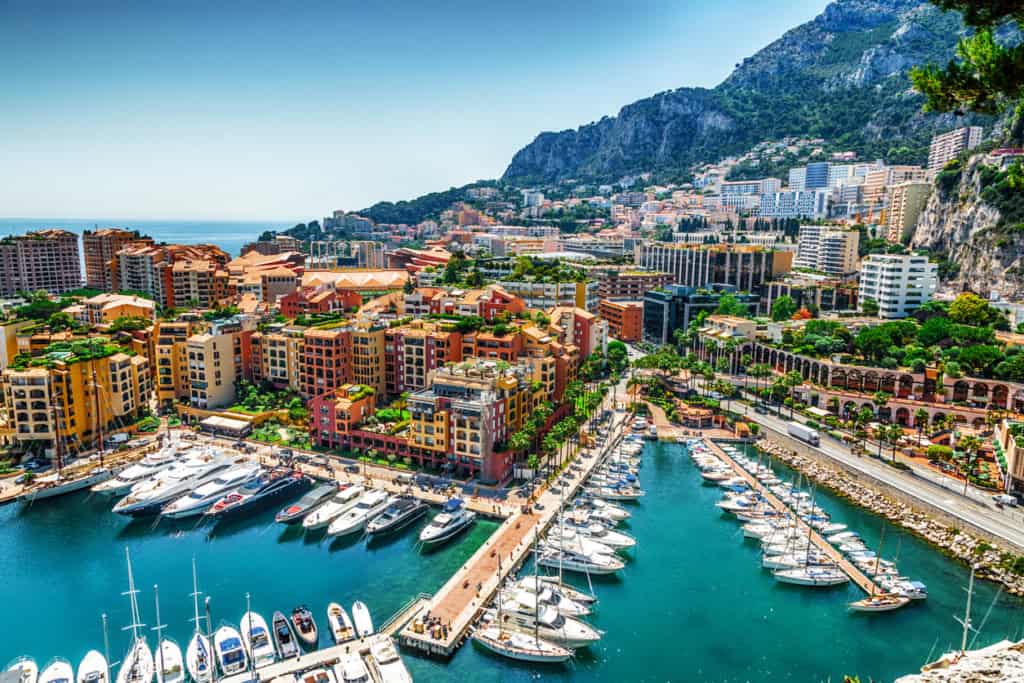
Monaco is the most famous tax haven in Europe, occupying just 2 square kilometers. You live in one of the safest and most prestigious places on Earth.
However, real estate is among the most expensive in the world. Even a small studio can cost millions, making it best suited to high-net-worth individuals and world-class athletes.
Residency and visas: To get a residency permit, you generally must deposit at least €500,000 into a Monaco bank account and prove you have a place to live (renting is okay, but it’s pricey).
Fun Fact! Monaco is so small that you can walk across the entire country in about 45 minutes. Despite its size, it’s densely built, with luxury high-rises, superyacht-filled marinas, and winding streets along the French Riviera, making it easy to see much of the country on foot in a single day.
While the next two countries are both associated with New Zealand, they have very different rules for anyone looking to live the tax-free life in the middle of the Pacific.
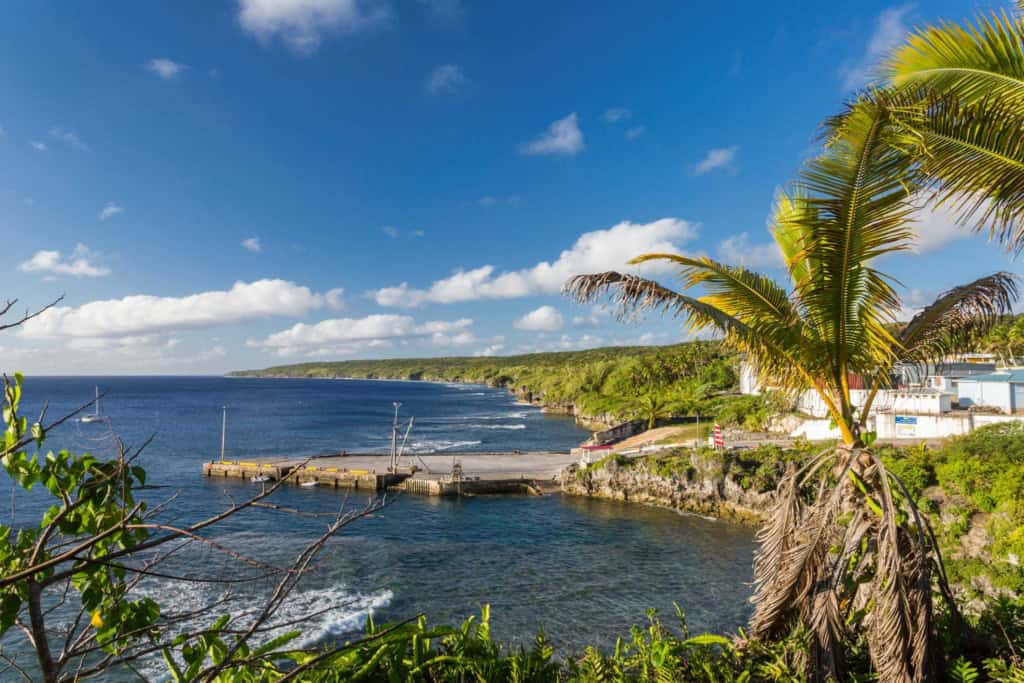
Located in the South Pacific, Vanuatu is a very remote tax haven. It’s perfect if you want to be completely off the grid while keeping your wealth intact.
This makes it particularly appealing to investors seeking a Plan B passport and digital nomads who value a quiet Pacific lifestyle.
Residency and visas: Famous for its Citizenship-by-Investment Program. You can literally buy a passport/citizenship in about 30-60 days for a donation of roughly $130,000. It’s the fastest in the world.
Niue is one of the world’s smallest independent nations (often called “The Rock”). It’s a self-governing territory in free association with New Zealand.
It’s a place for total isolation, with just one flight a week, one supermarket, and an island made up largely of limestone cliffs.
It is tax-free largely because there is very little traditional economy to tax, making it best suited to self-sufficient digital nomads or writers who want to disappear from the world.
Residency and visas: Tourists get a 30-day visa-free stay. Becoming a permanent resident is difficult unless you have Niuean descent or are a New Zealand citizen. You basically have to prove you can support yourself without taking a local job.
Tokelau is even more remote than Niue. It consists of three tiny coral atolls with no airport, and access requires a roughly 24-hour boat journey from Samoa.
Life here is highly communal, with fishing and community playing a central role rather than money. It is the ultimate unplugged tax haven, best suited to absolute minimalists and researchers seeking a truly remote and self-sufficient way of life.
Residency and visas: You need a permit for any stay of more than 10 days. To get a Permanent Residence Permit, you typically need to live there for at least 3 years and get approval from the local village council (the Taupulega).
Antigua and Barbuda is a Caribbean nation known for its beaches, sailing culture, and tropical lifestyle. It offers tax-free salaries to residents, making it an attractive option for retirees, investors, and digital nomads seeking a Caribbean base with minimal personal taxation.
Residency and visas: Foreigners can obtain residency through the Citizenship-by-Investment Program. Options include a donation to the National Development Fund (starting around $100,000 for a single applicant), a real estate investment of $400,000 or more, or a business investment of $1.5 million or more.
While the countries listed above are the most popular hubs for expats, a few other destinations also offer 0% personal income tax.
St. Kitts and Nevis is well known for its Citizenship-by-Investment (CBI) Programs, which allow investors to obtain a second passport through a qualifying investment.
Brunei, located in Southeast Asia, also has zero personal income tax due to its oil wealth. That said, obtaining residency there as a foreigner is extremely difficult without corporate sponsorship.
Why would an expat choose a low-tax country over a zero-tax one? These nations often offer a much lower cost of living, easier pathways to citizenship, and a high quality of life.
In fact, many rank among the cheapest countries in the world to live in, making them attractive to remote workers, retirees, and digital nomads looking to stretch their income further.

Here are some of the most popular low-tax havens for expats:
In these countries, high taxes fund massive public benefits, including free world-class healthcare, free university education, heavily subsidized childcare, exceptional public transport, and robust pension systems.
You pay more, but your out-of-pocket living expenses for essential services drop to near zero. However, paying these high taxes means these nations often rank among the most expensive countries to live in.
Here are the heavy hitters when it comes to high taxes:
When it comes to popularity, ease of travel, and overall lifestyle, three destinations constantly top the lists:
Fun Fact! The UAE has become one of the world’s top magnets for wealthy migrants, thanks to its 0% personal income tax, Golden Visa program, and investor‑friendly visa reforms. In 2025, it attracted around 9,800 high‑net‑worth individuals, more than any other country.
Keep in mind that “easy” is highly subjective. Immigration rules change frequently, and your path depends entirely on your passport, your budget, and whether you are seeking employment or investing capital.
For example, moving to the UAE is highly accessible for property investors, whereas moving to Kuwait is tied closely to corporate job offers.

To legally stop paying taxes in your home country (unless you are a U.S. citizen), you can’t just go on a two-week vacation to another country.
You have to establish tax residency in another country, which often requires staying there for an extended period. To do this, you will often need a long-term visa, residency, or new citizenship.
Moving to countries with no income tax sounds appealing, but a visa alone won’t make you a tax resident.
To legally change your tax status, you need to meet specific requirements, and these vary by country. Here’s what you need to know:
Earning a visa gives you the right to live there, but tax residency is what actually changes your tax status. To get this, most countries require you to pass a physical presence test.
The golden rule of international tax is the 183-day rule. In many countries, you must physically live there for at least 183 days out of the year to be considered a tax resident. Note: Some places, like the UAE, have recently lowered this to just 90 days for certain expats.
To legally stop paying taxes in your home country, spending more than 183 days of the year outside that country is usually the first step, but it’s rarely the only requirement.
In many cases (like with Canada, the UK, and Australia), you must also prove you’ve truly moved on and severed your ties.
This often means selling your primary home, moving your family with you, closing local bank accounts, and even canceling gym memberships.
The easiest way to get your foot in the door is often to buy it. Programs like the UAE’s Golden Visa or the Bahamas’ permanent residency track let you fast-track your move if you purchase a high-value property or invest heavily in the local economy.
Some countries with no income tax strictly enforce the 183-day rule, while others are much more relaxed. For instance, the Bahamas requires only 90 days for certain economic residents, and Vanuatu requires no days of physical presence.
While Residency by Investment gives you the right to live in a country, CBI programs (such as those in Vanuatu, St. Kitts, or Antigua) let you obtain a second passport.
This is the ultimate Plan B for expats. For U.S. citizens, it’s often the mandatory first step if they plan to renounce their U.S. citizenship to escape the IRS.
Getting a visa and moving to a beach in the Bahamas or other countries with no income tax is the fun part, but expat tax planning is where people make the most expensive mistakes.
To help you avoid these mistakes, let’s go over tax advice for expats and international tax services.
Moving to a country with no taxes requires careful planning to ensure you don’t inadvertently break any laws. Here is some expat tax advice to keep in mind:
Because international tax law is incredibly complex, trying to DIY your taxes across borders usually leads to massive penalties. Leaning on professional international tax services is an absolute must for global citizens.
Here is what they help with:
From exploring sun-drenched tax-free countries to uncovering corporate zero-tax opportunities, knowing which countries offer zero income tax that align with your lifestyle is the first step in planning your global relocation or investment strategy.
However, navigating residency visas, territorial tax systems, and lingering home-country obligations can be complex. That’s why seeking professional expat tax advice is essential before making the leap.
And as you map out the logistics of your international relocation, don’t forget to protect your most valuable asset: your health.
Having comprehensive international health insurance in place is just as important as optimizing your taxes when building your perfect new life abroad.
Ready to take the next step? Book a call today to explore your options and start planning your move.