International Health Insurance
Gain valuable insights and practical tips for navigating international health insurance while living abroad. From coverage details to expert advice, this comprehensive guide helps travelers…

International medical cover for expats and their families.
Medical and trip cancellation coverage for international travel.
Life insurance for globally mobile individuals living or working abroad.
Comprehensive international medical coverage for groups.
Medical, accident, and liability protection for global travel.
Financial protection for employees worldwide.
Most Popular Country Guides
Healthcare, insurance, and living insights to plan life and travel in each destination.
Healthcare, safety, and practical guidance for living abroad.
Tips and guidance for safer, smarter international travel.
Resources for global mobility, HR, and international teams.
Explore school options for expat children abroad, including international, local, and homeschooling choices, and get expert guidance to help your child thrive overseas.

For families living abroad, navigating school options for expat children can feel overwhelming. With so many choices – from public and private schools to international programs, homeschooling, and online learning – finding the right environment for your child is crucial. After all, the decision shapes not only their academic success but also their social development, confidence, and adaptability.
To help you plan your child’s education abroad, this article offers practical advice and insights to support informed decisions and ensure they thrive overseas.
Expat children have access to a host of experiential learning opportunities in their new home country. But finding the right education abroad can be tricky.
There are numerous things to consider for expat parents whose children are studying abroad. These can include school types, costs, curricula, future plans, and social integration. Below is a breakdown of education options abroad.
Many relocating families choose international schools for their children, and for good reason. These institutions are specifically designed with the children of expats in mind.
They usually offer a high-quality, transferable education and a global environment that helps students cultivate a worldly mindset.
In most cases, these schools follow the British or American curricula, or the International Baccalaureate (IB) program, and use English as the main language of instruction.

However, some international schools follow the curriculum of their home country and offer bilingual or native-language streams. For example, French schools may offer bilingual English-French programs and the Baccalauréat.
Most international schools are located in areas with larger populations of expat or digital nomad families. This includes Southeast Asia (Singapore, Thailand, Malaysia), the Middle East (Dubai and Doha), and parts of Europe (Switzerland, France, Spain).
They are among the most popular school options for expat children and have grown increasingly in demand as more families have relocated to these regions.
Over the last decade, the number of international schools worldwide has risen by 45%, from 10,255 to 14,833, while the foreign student population has grown by 49%, reaching 7.4 million.
The benefits of international schools abroad include:
However, they also come with some challenges, including:

When looking at schools abroad, local institutions are an option for some relocating families. While they offer benefits, they can also pose many challenges.
In most countries, there are two types of local schools: public and private. But both usually offer a deep dive into a new culture for international students, offering immediate integration into the local culture and language through daily social and academic interaction.
However, in some cases, expat parents and students can struggle with this, especially if the language and culture are very different from their own.
Public schools are usually tax-funded and free or low-cost, making them accessible to expat parents on a budget. However, the quality of these schools can vary greatly.
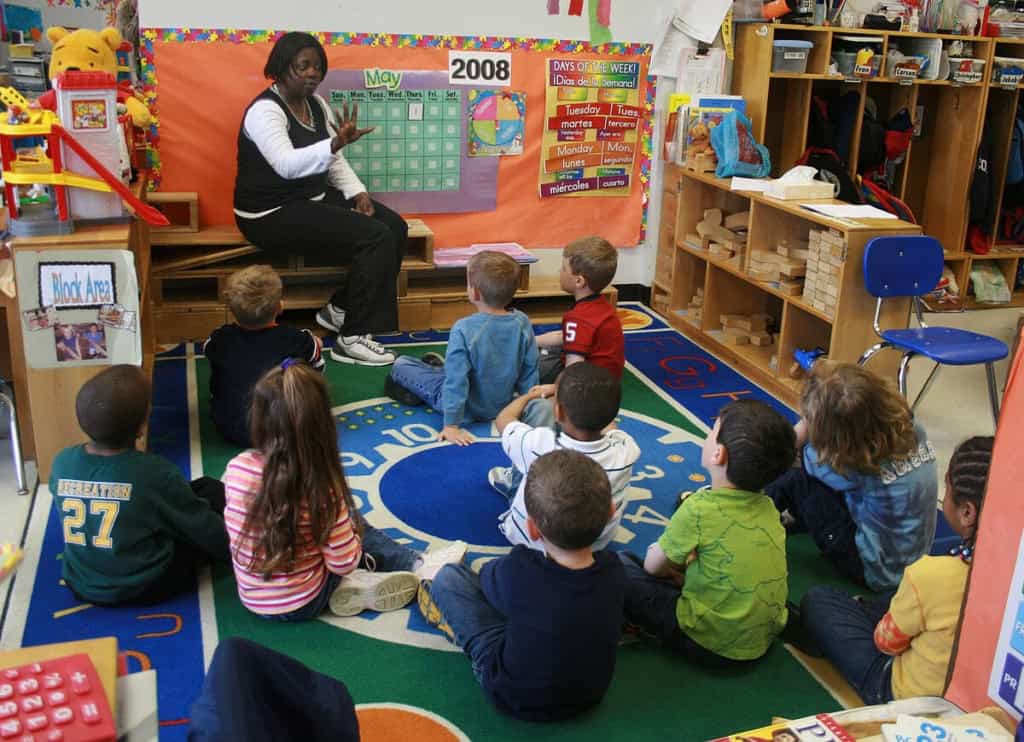
International students may also struggle with the local language without any support. Private schools charge tuition, but it is usually more affordable than that of international schools.
These often follow the local curriculum but may offer better facilities, smaller class sizes, and, in some cases, bilingual instruction.
Accessibility is a major concern for expat students hoping to study abroad in a local school. Some countries freely allow foreign residents to enrol in their public schools. This includes Spain, France, Germany, the U.S., Canada, and Japan.
Others, like Singapore, require potential foreign students to pass stringent entry requirements and exams. However, a handful of countries generally don’t allow expat students to attend local schools. These include the UAE, Qatar, Kuwait, and Bahrain.
Education abroad may not always involve attending a local school. For some families, traditional institutions aren’t practical, and they need to explore other school options for expat children.
These can include homeschooling, online programs, or finishing their education in their home country.
In these cases, expat parents may choose homeschooling or boarding school to reduce any potential academic friction and ensure these international students are academically on track for the future.
Some expat parents, especially those who only plan to live abroad temporarily, prefer to send their children to boarding schools. This provides a stable, high-quality education for parents who frequently relocate.
While boarding schools can be expensive and involve familial separation, they offer consistency, a social circle, and a strong foundation for higher education.

Homeschooling abroad can be an attractive option for some expats, especially digital nomad families. Many distance-learning schools and accredited homeschooling programs follow popular curricula, including British, American, and Australian systems.
These programs offer full-time, teacher-led education aligned with national standards, allowing students to move seamlessly between countries.
Umbrella schools may also be useful in these cases, offering official oversight, including transcripts, grading, and diplomas, for homeschooled expat students.
Legalities are a consideration for homeschooling abroad. Several countries, including the U.K. and Portugal, offer clear frameworks, while others, such as the Netherlands and Germany, do not allow it.

Some countries, including Spain and Hong Kong, operate in a grey area where expat parents must prove they are homeschooling with an accredited international online program.
The biggest advantage of homeschooling is the ability to personalize the pace. Students can move as quickly or slowly as they need, zipping through areas of strength and spending extra time on challenging subjects.
Students also have time for hands-on experiential learning in their host country when they’re not pursuing traditional studies.
Some international students, including those in digital nomad families, take this opportunity to opt for blended learning or “worldschooling.
This involves combining a structured online program, such as Wolsey Hall Oxford, with hands-on local learning experiences.
For example, the student might learn about marine biology through their online portal in the morning, then visit a local reef in the afternoon for a real-life experience.
For expat parents, choosing between international schools and local schools can be difficult. There are many things to consider, including the family’s budget, the student’s preferences and strengths, and cultural concerns.
The choice is a thoroughly individual one for foreign students. Even within a family, one sibling may thrive in an international school while another may prefer a local school.
For relocating families, the choice between local and international schools is pivotal and requires balancing academic and cultural factors.
International schools have traditionally been more popular, thanks to standardized, higher-level academics and better-quality facilities.
In fact, the number of students attending these institutions has increased 49% over the last decade, from 5 million to 7.4 million.
However, an increasing cohort of intrepid expat parents is choosing to enroll their children in local schools, as much for their affordability as for their cultural immersion.
Here are a few things to think about if you’re weighing up the choice:
While weighing options, it’s also important to consider whether the school offers student support and social opportunities, and whether it aligns with the family’s and the student’s long-term goals. Look at:

There are numerous factors to consider when studying abroad, from the quality of the education to cultural exposure and extra-curricular activities.
Here are some of the most important considerations when choosing between overseas schools.
A key consideration for evaluating schools for international students is curriculum compatibility.
Choosing a curriculum aligned with that of your home country or global standards ensures students won’t lose academic progress in future relocations or be disadvantaged in university applications.

For example, IB schools abroad offer the globally-recognized International Baccalaureate program. Others offer the appropriate national curriculum, such as the British, Australian, or French.
Also, verify that the school’s accreditation allows credit transfer for standardized test scores (such as the SAT, AP, and GCSEs) or certified transcripts.
Those considering school options for expat children also need to consider the language of instruction at the foreign schools. These can be a significant factor in an international student’s social and academic success.
Most international schools use English, which can be useful for most students. However, some expat parents prefer a bilingual program, such as French-English or German-English, to ensure their children speak two languages fluently.
Additionally, families who want their children to be fluent in the local language may opt for local schools abroad to achieve native-level proficiency. Schools offering language support can also help bridge the gap.
When considering school options for expat children, quality is essential, as it can vary widely from school to school. That’s why it’s important to ensure the school you choose is accredited.
It ensures your child receives a high-quality education that is recognized by schools and universities worldwide.
Look for certifications from the main three bodies: Council of International Schools (CIS), WASC/NEASC (the Western or New England Association of Schools and Colleges, and Council of British International Schools (COBIS).
Also, beware of any schools abroad that have these red flags:
Quality learning overseas requires good teaching staff and a quality environment. When considering a school, check whether there are well-qualified teachers with recognized credentials and relevant experience.
You can also ask about staff stability and ongoing professional development. Class size can be important too, as smaller classes allow teachers to offer more individual attention to each student.
Additionally, strong student support services, such as learning support, language assistance, or counseling, can help international students thrive.
For expat students considering studying abroad, a school’s logistics and culture are critical to ensuring satisfaction in their daily lives and in their education abroad.
Expat families often choose schools within a manageable commuting distance to reduce stress. Safety is important, too, so campus security and supervision policies are important.

Facilities can also go a long way toward successful overseas learning, so consider whether potential schools have libraries, science labs, technological resources, and sports amenities for a well-rounded experience.
The school’s culture can also make or break the learning experience. Look for something that’s inclusive, supportive, and offers strong extracurricular activities that help students develop confidence and skills and create strong friendships.
Another consideration for those who study abroad is cost. After all, it’s essential to understand the full financial commitment of an education abroad.
International schools can be prohibitively expensive, with tuition fees costing anywhere from $10,000 to $50,000 per year.
Expat parents will also need to budget for uniforms, resources, electronics, transportation, and extracurricular activities at these schools, which can push expenses much further out.
Some schools also charge application fees, debentures, or development costs, too. Local public schools are, of course, far cheaper (sometimes free), though local private schools can be cheaper as well.
Relocating families should also ask whether the schools they’re considering offer sibling discounts, scholarships, or financial aid.
When considering schools abroad, parents should also assess whether potential schools offer strong opportunities for social development and extracurricular activities.
These are important for helping international students integrate, build friendships, and develop new skills.
Many activities also allow students room for personal development, whether that’s encouraging cooperation and confidence, or supporting creativity and self-expression.
While this won’t apply to all families looking at foreign schools, a school’s ability to cater to special educational needs or offer learning support can be important.
International students, for example, may require additional support to master a language that isn’t their mother tongue.
Other students may struggle with learning difficulties that require extra personalized attention, which not all schools are equipped to give.

If you’re considering education options abroad, this process will help you make an informed decision for your child.
Considering school options for expat children can feel overwhelming, but the key is to do your research and give yourself plenty of time.
Here’s a step-by-step process on how to pick the right schools abroad for your family:
International schools often require immunization records and health documentation during admissions. As you finalize enrollment, ensure your family has comprehensive coverage that provides access to private hospitals, pediatric care, and emergency support abroad.
Involving your child in choosing their school can help them feel more confident about the transition.
Start by explaining the move positively and discussing what they enjoy in their current school. Then invite them to help research potential schools and encourage them to ask questions.

Listening carefully can help to build trust in the decision, reduce anxiety, and give them a sense of ownership.
Part of a child’s academic success involves adequately preparing them for the transition. This can begin with age-appropriate discussions about their likes and dislikes with education, and involving them in school research.
Supporting their emotional and social readiness is also essential. Help them build resilience for the transition, raise their awareness of local culture and norms, and bolster their confidence for a successful adaptation.

An education abroad can be an exciting opportunity for expat families, offering children the chance to experience new cultures, meet diverse peers, and develop independence.
But to make the experience successful, it’s important to consider the student’s strengths, weaknesses, and learning preferences, alongside the family’s goals, budget, and any legal or visa requirements.
Thorough research and careful planning are essential to ensure students can thrive academically, socially, and personally while studying overseas.
With these preparations in place, students can focus on enjoying their learning experience abroad and making the most of their time in a new country.
These resources can help you navigate school options for expat children and make informed choices for your child:
Choosing between international and local schools requires careful consideration of curriculum, costs, language, and extracurricular opportunities.
Some local schools offer a strong curriculum, language support for international students, and a wide range of activities at a lower cost, making them a good option for many expat families.
However, if the local schools you’re considering have a curriculum that differs significantly from what your child is used to or use a language your child doesn’t understand, an international school may be the better choice.
Most countries recognize homeschooling and provide a legal framework and approved curriculum for international students. However, regulations vary widely.
Countries like the UK, Portugal, and the US have clear rules and allow homeschooling with minimal restrictions. Others, such as Germany and the Netherlands, generally do not permit homeschooling. Some countries, including Hong Kong and Spain, require approval from local authorities or enrollment in an accredited online program.
If you’re considering homeschooling abroad, it’s important to check local laws, ensure your program is accredited, and verify that any transcripts or diplomas will be recognized for future schooling or university applications.
If your child doesn’t speak the local language, an international school with instruction in a language they already know may be the best option.
Alternatively, some local schools offer language support or immersion programs for international students, which can help them learn the language while keeping up academically.
When choosing a school, consider how quickly your child can adapt to the language, whether extra tutoring or support is available, and how language barriers might affect their social integration and confidence.
Many expat families handle curriculum differences by choosing schools that follow programs they’re familiar with or that are widely recognized internationally.
Popular options include the International Baccalaureate (IB), British Cambridge system, American system, French system, and Australian system.
To manage differences effectively, parents should check that the school’s curriculum aligns with their home-country standards, confirm that credits and transcripts will be recognized if the child moves or applies to universities, and ensure the pace and content are appropriate for their child.
Working closely with school administrators or educational consultants can also help minimize gaps in learning during transitions.