
The Ultimate International Travel Checklist
Plan your overseas trip with ease using this essential international travel checklist, covering visas, flights, insurance, packing, and more.

International medical cover for expats and their families.
Medical and trip cancellation coverage for international travel.
Life insurance for globally mobile individuals living or working abroad.
Comprehensive international medical coverage for groups.
Medical, accident, and liability protection for global travel.
Financial protection for employees worldwide.
Most Popular Country Guides
Healthcare, insurance, and living insights to plan life and travel in each destination.
Healthcare, safety, and practical guidance for living abroad.
Tips and guidance for safer, smarter international travel.
Resources for global mobility, HR, and international teams.
Discover the top 10 things to know before volunteering abroad, including how to choose the right organization, prepare for cultural differences, and stay safe overseas.
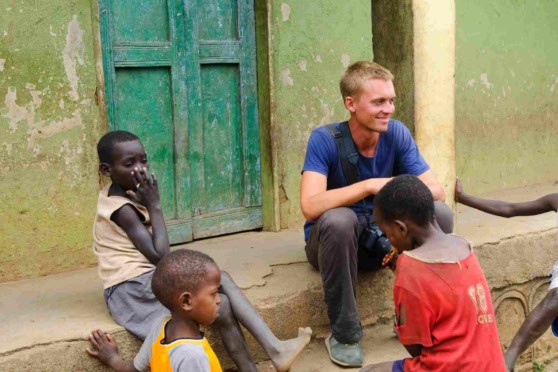
Volunteering abroad can be a rewarding experience and can result in a lifetime of friendships and education that can only be obtained from living and working abroad. Whether you are volunteering as a part of your college program, for college credit, as a part of a mission trip, or just because you want to, volunteering can be an unforgettable experience. If volunteering abroad sounds appealing, but you have no idea where to start, here are ten things you need to know:

Volunteering abroad is not just about committing to the act of global good. Before boarding a plane to volunteer, you should always research volunteer organizations to find out if the work they do is in line with your beliefs and values, and if the work is something that interests you and is in line with your future goals.
A reliable online resource to do some research is goodnet.org. Goodnet connects people around the world with opportunities for doing good.
You should also familiarize yourself with how a volunteer measures their overall success and what is expected of you as a volunteer.
Question the organization as to how many volunteers they go through in a specific period, and if they take anyone who wants to volunteer, or if volunteers must be qualified.
Ask a lot of questions and don’t be afraid to get critical when it comes to how an organization works. If it seems like a volunteer organization is hiding something or is offering false promises, then you may want to think twice before committing to a year of volunteering your time with them.
Don’t assume you will learn the language as soon as you get off the plane. It is a good idea to familiarize yourself with at least some of the local language before leaving.
Volunteering in a country where you know nothing about the local language, including fundamental questions and commands, can not only be isolating, but it can also be stressful and frustrating for you and those around you.
Before you go, make a point of researching and learning some necessary words and phrases. You may also want to invest in a portable two-way dictionary or smartphone app that works as a reliable translator.
Knowing the language means you will be better equipped to find a washroom and find food when needed!
Similar to learning the language, taking the time to learn about the local culture could save you from a lot of stress and frustration.
This includes learning about religious and cultural beliefs, which may be of particular importance in Arabic and Muslim countries.
You should also prepare yourself for “culture shock.” Depending on the volunteer position, you may be surprised and deeply saddened when you see firsthand famine, poverty, and war-ridden countries.
However, by properly preparing yourself and reading what other volunteers and workers from the area have witnessed and learned, you may be better prepared to handle the situation and arrive ready to help.
Volunteering is not for everyone, and sometimes volunteers end up doing work they did not sign up for or in addition to what they did sign up for.
While it is okay to be picky about what you sign up for, it is also important to keep an open mind and to be open to the idea of working on additional tasks.
Think of it as learning new skills and being exposed to new experiences, which in turn can open doors for you!
Volunteering abroad can help your future. Whether volunteering is for college credit or to boost your resume, most employers love seeing a philanthropic-minded and culturally-aware candidate.
So don’t close the door on something just because you never thought about it before – open your mind and learn something new!
Before you leave, familiarize yourself with how the medical system works in the country you will be volunteering in.
This includes determining how prescriptions will be filled as well as what happens if your glasses break or contact lenses need replacing.
The more you know about a country’s medical system (or lack thereof), the more prepared you will be in the case of a medical emergency.
You should also make sure you have travel medical insurance that will cover you while you are living outside of your home country.
Travel medical insurance when volunteering abroad means you have coverage should you be in an accident or become very ill.
It may also mean you will have access to preferred hospitals and doctors, and have access to an emergency assistance medical hotline to speak with medical experts, as well as have access to Universal Rx pharmacy discount savings.
Just as you want to familiarize yourself with the local medical system, you also need to know what vaccinations are recommended and necessary for that particular area of the world.
You should also keep up to date on local health advisories.
Don’t dress as if you are going on vacation. Volunteers work hard and should dress for the occasion.
This means leaving the high heels and designer sneakers at home and instead dressing for comfort as well as for the climate.
You should also pack as lightly as possible. Remember the basics, such as socks and underwear, but leave the extras at home.
It is also recommended to buy and wear comfortable shoes and break them in before you travel.
Make sure you have a list of emergency numbers and contact information with you at all times.
Consider carrying a laminated list with you in your wallet or pocket and storing this information on your smartphone.
You should also invest in travel insurance. Despite the belief that your private insurance or credit card insurance will cover you while you are away, that is not always the case, especially when you are traveling for a reason other than a vacation.
Trip insurance coverage options include trip cancellation, travel medical insurance, and emergency evacuation – everything needed to ensure you are covered in the case your flight is canceled or the airline you have bought your standby return ticket with goes bankrupt; or if a war breaks out and you need to be evacuated and get home.
Always research insurance options before you leave and invest in the insurance plan that is best suited for your volunteer experience.
Whether you are leaving behind close friends or family (or both!), always make sure to communicate where you are living and how they can reach you.
If you choose to day-trip from your volunteer job, be sure to let those around you know as well as send a quick note to those back home. If something goes wrong, the more people who know where to find you, the better.
As mentioned, volunteering abroad is not a vacation. If you volunteer with an organization like WWOOF, for example, you better believe the people who have devoted their lives to that particular cause will put you to work.
Embrace the volunteer culture and recognize that you are there to make a difference, but that to do so, you must work hard!
You won’t regret it! Helping others is a lifestyle choice and is something you will carry with you forever.
Volunteering in another country is empowering. So much so that people often find himself or herself volunteering time and time again – or devoting their lives to a particular cause.
While serving to help and protect others, make sure you are protected too – do your research, learn about the volunteer organization and their cause, familiarize yourself with that area of the world, and invest in travel insurance that will cover you in the case of an emergency.