


How Travel Can Boost Your Mental Health
Discover how travel boosts mental health by reducing stress, improving mood, and refreshing your mind with new experiences and perspectives.

International medical cover for expats and their families.
Medical and trip cancellation coverage for international travel.
Life insurance for globally mobile individuals living or working abroad.
Comprehensive international medical coverage for groups.
Medical, accident, and liability protection for global travel.
Financial protection for employees worldwide.
Most Popular Country Guides
Healthcare, insurance, and living insights to plan life and travel in each destination.
Healthcare, safety, and practical guidance for living abroad.
Tips and guidance for safer, smarter international travel.
Resources for global mobility, HR, and international teams.
From eco-friendly hotels and multigenerational adventures to dude ranches and sleep tourism, these are the travel experiences topping the list this year.

The travel industry is constantly evolving as operators innovate to meet changing consumer demands. Even from one year to the next, global travel trends can shift dramatically. Travelers may become more budget-conscious, seek new destinations, or expect additional amenities and services – and providers must adapt accordingly.
Understanding these trends is key for anyone looking for richer, more meaningful travel experiences. So, if you’re looking for inspiration for your next getaway, this article draws on leading travel reports to highlight the top trends shaping 2026 and what matters most to people when planning their next trip.

It may come as no surprise that international travel rebounded strongly after the COVID-19 pandemic.
The global tourism industry continued to grow in 2025, with an estimated 1.52 billion international tourist arrivals worldwide – around 4 % higher than in 2024 and surpassing pre‑COVID‑19 levels.
Many destinations reported higher-than-expected tourist numbers, reflecting the renewed enthusiasm for exploring new experiences abroad.
As we move through 2026, the recovery momentum shows no signs of slowing. Travelers are continuing to invest in experiences that truly matter, from eco-friendly hotels and tech-driven trips to unique adventures.
Beyond spending habits, they are also prioritizing wellness, safety, and meaningful experiences when planning their trips.
While excitement for international travel remains strong in 2026, many travelers still have significant concerns that influence how they plan and protect their trips.
According to IMG’s 2025 Travel Outlook Survey, 54% of respondents reported that getting sick or having an accident while traveling was their number one worry.
Other major concerns include canceled flights and unavoidable trip interruptions: 25% were worried about needing to cancel their trip before departure, and 20% were concerned about issues getting to or from their destination.

These concerns remain relevant for travelers in 2026, too, given that dealing with such issues abroad can be both time-consuming and costly, especially given the high cost of medical care in many countries and the difficulty of securing refunds or changes.
As a result, travel insurance has become increasingly recognized as essential. Almost all (95%) of IMG survey respondents purchased coverage for at least one international trip, safeguarding both their health and their investment.

Compare top-rated travel insurance plans for your upcoming trip abroad.
Policies that cover medical emergencies and travel interruptions provide peace of mind and allow people to focus on enjoying their trip.
So, if you’re planning to venture abroad this year or beyond, don’t overlook the importance of comprehensive coverage in safeguarding both your health and your investment.
Current travel trends are pushing people to think differently about how they explore the world and get more creative with their plans.
Many are realizing that different types of vacations fulfill different purposes, so they’re scheduling a mix of trips throughout the year.
According to IMG’s 2025 survey, 42% of respondents were looking for beach vacations and rural tourism experiences, while 23% sought special interests and events.
These patterns are continuing into 2026, with travelers mixing vacation types throughout the year to suit different needs and moods.
For example, they might book a summer vacation to the coast to relax, take a city getaway for a discovery-filled solo break, or extend a business trip for leisure.
Family vacations and cruises are particularly popular, as they allow for quality time together without the stress of organizing a large, complex trip.
One increasingly popular travel trend sees several generations of a family vacationing together.
Multigenerational trips give parents, children, and grandparents the opportunity to bond over new experiences and spend quality time together outside their normal routines.
For some, it’s also a way to pass on a family legacy of shared experience and well-being.
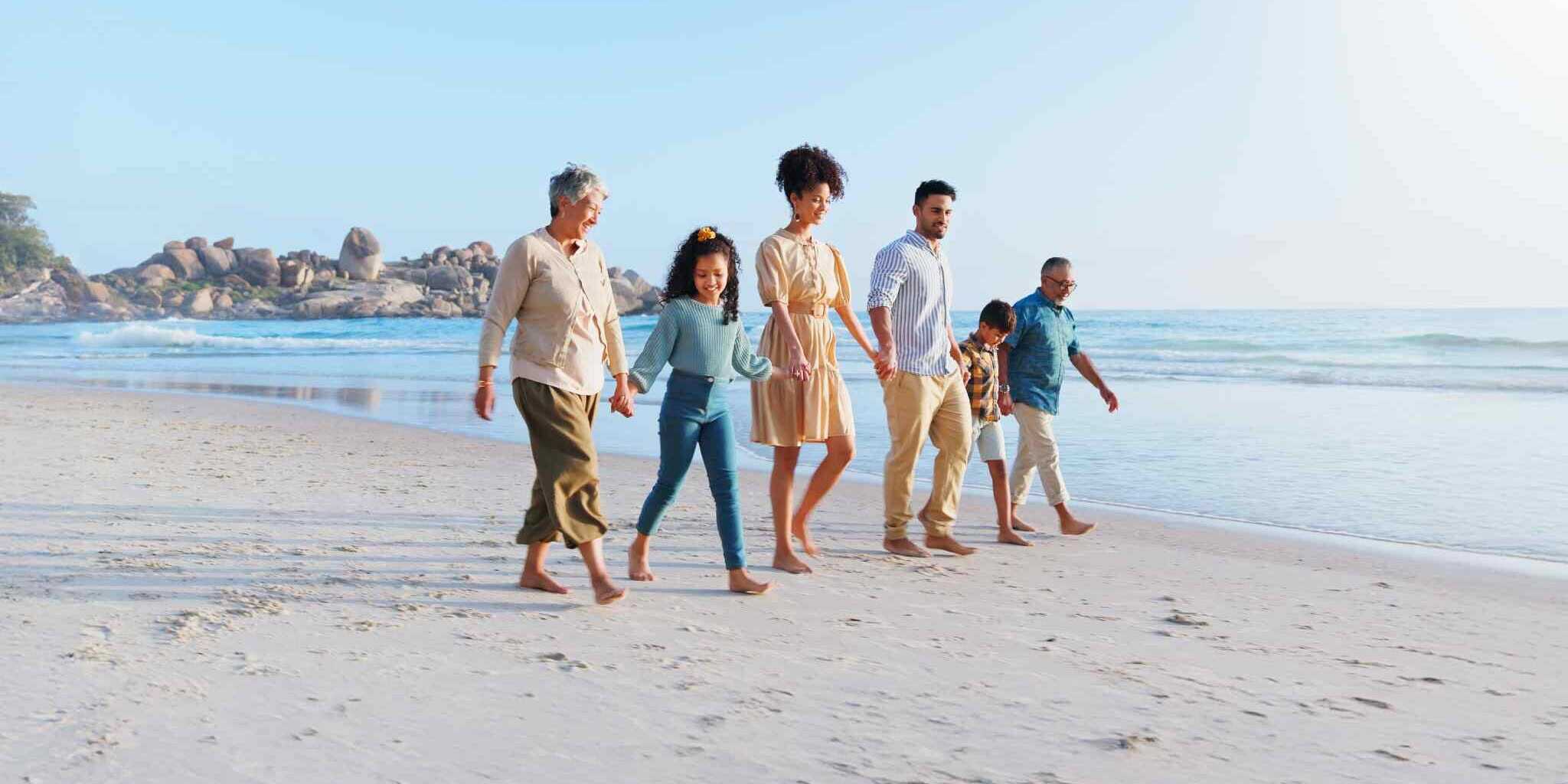
According to the 2025 Global Travel Trends Report by American Express, 58% of Millennial and Gen Z parents planned to take their extended family on vacation, with most (89%) aiming to spend quality time together.
The survey also found that 68% of younger parents involve their children in vacation planning, compared with 56% of Gen X and Baby Boomer parents.
These patterns are continuing into 2026, as multigenerational travel remains a top choice for families.
Travelers are increasingly seeking destinations, accommodations, and experiences that are family-centric and suitable for all ages, with everyone involved in planning to ensure the trip is memorable for all generations.

Planning a Family Vacation? Heading overseas with multiple family members can be unforgettable, but also complex. Group travel insurance ensures everyone is covered for medical emergencies, trip cancellations, and unexpected disruptions, so you can focus on making memories together.
Personalization remains a major travel trend in 2026. In fact, News Market US predicts that the global customized travel market will reach US$262.90 billion by 2034.
More travelers are seeking experiences tailored to their preferences, including services and packages that cater to their age, interests, and preferred way of exploring. This might include personalized itineraries, unique experiences, or tailored hotel stays.
Bespoke tourism is particularly relevant for niche markets, such as solo female travelers, who may prioritize safety and select experiences and accommodations accordingly.
The rise of digital technology and AI is a major contributor to this growing trend. In 2025, 15% of travelers reported using generative AI to plan their trips, up from 10% in 2024.
These tech-savvy travelers are leveraging AI to research activities, attractions, destinations, and dining options, and even to make bookings based on AI recommendations.
Millennials and Gen Z are especially engaged, with 83% finding AI useful for researching destinations, attractions, dining options, and making bookings. These patterns are expected to continue into 2026, shaping how travelers plan and personalize their trips.
One of the biggest consumer travel trends for 2026 is the pursuit of unique experiences, as travelers seek trips to unusual places that push them beyond their comfort zones.
These journeys offer the benefits of authentic experiences, cultural immersion, and opportunities to connect with fellow explorers in community-focused settings.
Many travelers looking to disconnect are embracing astrotourism, exploring destinations where they can stargaze and enjoy dark-sky tourism, from chasing the Northern Lights in Norway to visiting remote observatories in Chile or New Zealand.
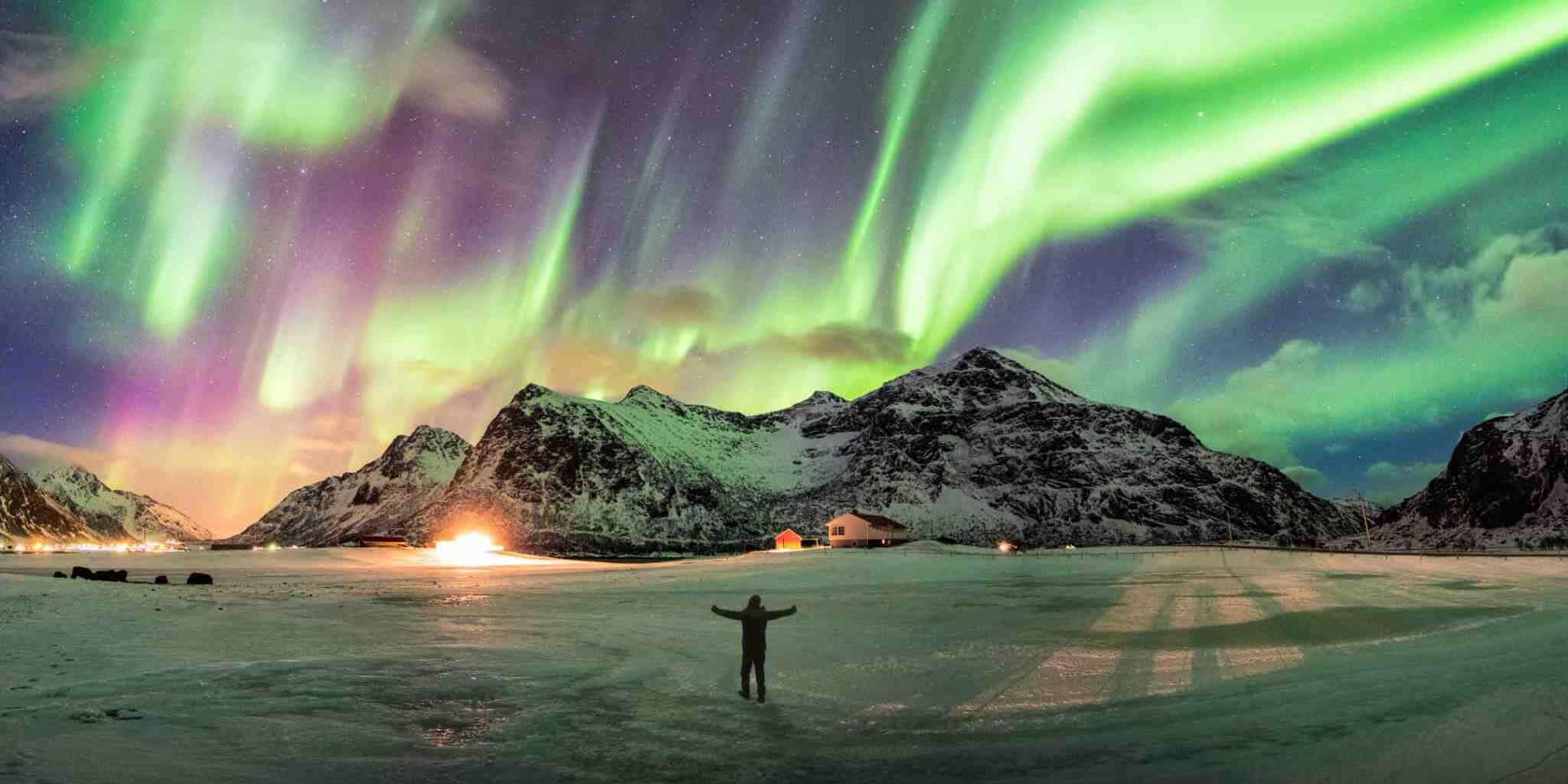
These trips appeal to those seeking a peaceful escape and an alternative to crowded, modern cities.
Live event tourism is also emerging as a major trend in 2026. According to the American Express Global Travel Trends Report, 60% of travelers had planned trips around entertainment or sporting events in 2025.
This enthusiasm continues, with travelers increasingly scheduling trips to coincide with concerts, festivals, major sports events, and other live experiences.
This momentum has fueled music tourism, with fans flying in to see shows like the Backstreet Boys at the Sphere in Las Vegas or Beyoncé’s Renaissance World Tour in London.
Beyond music, travelers are also attending major sporting events such as Formula 1 races and Wimbledon, as well as iconic festivals like Brazil’s Carnival.
With the rise of remote work, it’s easier than ever for people to combine work and travel.
Many professionals now spend weeks or even months exploring new destinations while staying productive, working online in the mornings and using afternoons or evenings to explore local culture, nature, or cuisine.
In 2026, this “work + wander” mindset is firmly established, with travelers increasingly choosing long stays that balance professional responsibilities with travel experiences.
The digital nomad lifestyle is no longer a niche trend, as remote work has become standard in many industries.
Travelers are embracing ‘workcations’ and extended stays abroad, allowing them to live and work in one location for longer periods while deepening cultural connections and enjoying more immersive travel experiences.
Even those with traditional office jobs are getting creative with paid leave and hybrid schedules to spend more time on the road.
Corporate travel trends show that in 2025, 39% of remote-capable workers took longer trips, up from 31% in 2024, reflecting a continued shift toward extended travel.
In addition, those who frequently venture overseas for work are now more likely to extend their business trips to enjoy a fun weekend away before flying home.
This trend is especially strong among younger generations, with 52% of travelers under 35 adding personal time to a business trip.

Pop culture continues to strongly influence where travelers want to go, with many seeking out the filming locations of their favorite TV shows, films, and even viral social media moments.
This phenomenon, sometimes called the “White Lotus effect”, began with the hit HBO series set in luxury hotels across idyllic destinations.
Fans have flocked to the locations featured on screen, and the trend is expected to continue throughout 2026.

The 2025 State of Summer Travel Survey by luggage shipping service, LugLess, found that 78% of the show’s fans had planned – or wanted to plan – a trip to White Lotus filming locations.
Key destinations include the Four Seasons hotels in Hawaii (61%), Sicily, Italy (50%), and Koh Samui, Thailand (38%), where each of the show’s three seasons was set.
But pop-culture travel now goes beyond film and TV. Fans are also inspired by viral music videos, book settings, and social media moments, with 2026 seeing a rise in trips driven by Instagram, TikTok, and other platforms.
In fact, 47% of travelers aged 18–34 say social media influences their travel plans, making it a key driver for younger audiences.
As a result, many are chasing unique, Instagrammable, and TikTok-friendly experiences – from graffiti walls and themed cafes to scenic locations featured in viral clips – keeping pop-culture travel a major trend for 2026.
Sustainability has been a buzzword in the travel industry for over a decade. However, in 2026, eco-conscious travel is more important than ever as travelers become increasingly aware and discerning.
Hotels remain a key focus: a 2025 IGES survey found that 76% of respondents consider a hotel’s eco-friendly credentials when booking.
In the U.S., this might include accommodations featuring eco-conscious design, solar panels, water-saving measures, energy efficiency, and community engagement programs.
Carbon footprint is another growing concern, with many travelers actively seeking ways to offset emissions, favor green transportation, and choose carbon-neutral activities, such as hiking, cycling, or using electric vehicles.
Climate change is another factor shaping green travel trends. As many popular destinations become too hot in the summer months, eco-minded explorers are opting for “coolcations” in regions with milder weather.
Virtuoso, a global network of luxury travel advisors, reports that 72% of its advisers say clients consider climate when selecting destinations.
As a result, countries like Canada, the Netherlands, Finland, Sweden, Denmark, and Norway saw growing popularity between 2023 and 2025, which is expected to continue into 2026.
Meanwhile, some Mediterranean hotspots, including Italy, Greece, and France, have seen a relative decline in peak summer travel as travelers seek cooler, more sustainable options.
Country life continues to emerge as a major travel trend among millennials and Gen Z in 2026.
With the ongoing popularity of country music and Western-themed shows like Yellowstone and Ransom Canyon, travelers are increasingly seeking experiences that immerse them in the Wild West.
That’s why unique rural getaways, such as “dude ranch” vacations, are gaining popularity. In fact, recent data shows a 94% increase in horseback trail riding and a 42% rise in American ranch stays over the past year.

A dude ranch provides an all-inclusive, immersive vacation centered on country living. Guests spend plenty of time with horses, riding trails, exploring the terrain, and sometimes even helping care for them.
Depending on the ranch, activities might also include square dancing, shooting, fly-fishing, cookouts, or wagon rides.
This opportunity to embrace a different way of life is driving interest in ranch getaways across Wyoming, Colorado, and Montana, as well as in Western-inspired cities like Nashville, Reno, and Denver.
For many travelers, a dude ranch experience has become a bucket-list adventure, combining outdoor activity, culture, and authentic Western charm – making rural travel one of 2026’s standout trends.
Wellness travel has been a growing trend for years, but in 2026, sleep tourism is emerging as a key focus for travelers seeking optimal rest and recovery.
According to the Centers for Disease Control and Prevention (CDC), around 36% of U.S. adults get fewer than seven hours of sleep per night, which is considered insufficient for optimal health.
This underscores the growing trend of sleep tourism, where travelers prioritize rest and recovery during their trips.
In fact, a Mintel report indicates that 43% of potential wellness travelers in the UK want to improve their sleep while on vacation.
As a result of this trend, HTF Market Intelligence predicts the global sleep tourism market will grow nearly 8% annually and exceed US$400 billion between 2023 and 2028.
At the simpler end of the scale, hotels are introducing sleep-focused amenities. For example, Hilton Hotels provides “Power Down” features, including temperature-controlled mattresses, slipper socks, and sound-minimizing technology.
Many properties also offer blackout curtains, pillow menus, lavender sprays, chamomile tea, and specialised spa treatments to promote restful sleep.
But sleep tourism goes beyond hotel perks. Destination wellness hotels are curating relaxing retreats where the main goal is to get forty winks.
Luxury resort brand Six Senses offers dedicated sleep programs featuring yoga, meditation, spa treatments, wellness therapies, nutrition, and low-intensity training.
Similarly, Florida’s Carillon Miami Wellness Resort offers a “Sleep Well Retreat” with sleep-optimizing smart beds, wellness experiences, movement classes, and healthy food designed to reset the circadian rhythm.
With more travelers in 2026 prioritizing rest, recovery, and holistic wellness, sleep-focused trips are quickly becoming a must-have experience for wellness-conscious travelers worldwide.
Once reserved only for the most adventurous explorers, solo travel continues to be a major trend in 2026.
According to IMG’s 2025 survey, 48% of respondents planned a solo trip, with 54% focusing on urban tourism.
These patterns remain strong this year, as travelers continue to embrace the freedom and empowerment of exploring independently.
With everyone leading busy lives, solo travelers aren’t waiting for friends and family to have adventures – they’re embracing the freedom and empowerment of hitting the road alone.

Solo travel is particularly popular among Gen Z and younger Millennials, fueled by TikTok videos and Instagram reels showcasing destinations and experiences.
It’s especially appealing to women, with social media boosting confidence and female content creators highlighting women-friendly destinations, sharing tips, and promoting safety.
Additionally, networks of female solo travel communities, such as those on Facebook and other platforms, continue to grow, offering a sense of safety, connection, and support.
Travel providers are also responding with a growing number of tailored services and packages designed specifically for women exploring alone.
Understanding current travel trends is useful for both tourists and businesses in the industry.
For consumers planning to venture abroad in 2026, researching trends can help discover new, sustainable ways to explore and uncover under-the-radar destinations.
It can also help plan trips more effectively by leveraging emerging technologies like AI and using the most relevant platforms and services.
Similarly, travel trends are important to the industry because they help businesses meet consumer demands, stay competitive, and guide strategic planning and budgeting.
With top tourism trends emphasizing bespoke trips, live events, and far-flung destinations, having reliable travel insurance is essential.
A plan that covers medical and travel emergencies gives peace of mind, allowing you to focus on fun – even if plans change.
Protect your adventure – get international travel insurance today!
Ready to plan your next trip? Check out our Ultimate International Travel Checklist for expert tips on everything from choosing your destination to ensuring you’re fully covered.