The Ultimate International Travel Checklist
Plan your overseas trip with ease using this essential international travel checklist, covering visas, flights, insurance, packing, and more.

International medical cover for expats and their families.
Medical and trip cancellation coverage for international travel.
Life insurance for globally mobile individuals living or working abroad.
Comprehensive international medical coverage for groups.
Medical, accident, and liability protection for global travel.
Financial protection for employees worldwide.
Most Popular Country Guides
Healthcare, insurance, and living insights to plan life and travel in each destination.
Healthcare, safety, and practical guidance for living abroad.
Tips and guidance for safer, smarter international travel.
Resources for global mobility, HR, and international teams.
Learn how safari travel insurance can protect you with medical coverage and trip cancellation protection, and find top safety tips for your wild adventure.
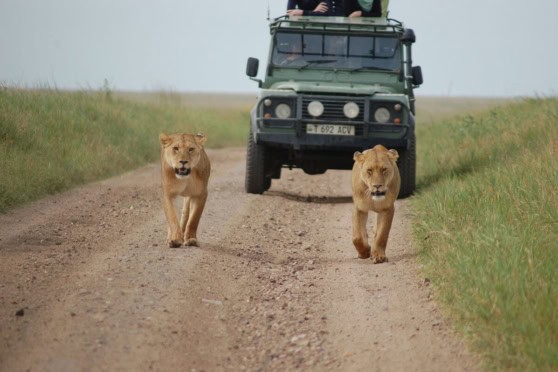
Many of us have added an African Safari to our bucket list, making it worthwhile to explore how to prepare for a healthy trip. There’s nothing worse than ill health or an accident to spoil the trip of a lifetime.

Once you’ve booked your safari and know where you’ll be going, it’s time to schedule an appointment with your doctor to ensure you have all the necessary vaccinations.
The Centers for Disease Control (CDC) and the Public Health Agency of Canada (PHAC) recommend consulting your doctor or a travel health clinic for immunizations at least six weeks prior to your travel date.
Bring your itinerary to your appointment so that your doctor can recommend the vaccines you may need for your trip, as well as ensure your regular shots, such as Tetanus/Diphtheria, Influenza, MMR (Measles-Mumps-Rubella), Typhoid Fever, and Hepatitis A and B, are up to date.
The yellow fever vaccine is required for travel to certain destinations in Africa. Make sure to carry your vaccination card or other proof of vaccinations with you on your trip, as some countries require a yellow fever vaccination for entry if you’re coming from a country with a high incidence of the virus, even if you originally came from a country with a low incidence of the virus, such as North America.
If you’re traveling to a country with a high risk of malaria infection, your doctor may recommend that you take the anti-malaria medication in advance.
Of course, even if you do this, you should still take precautions to avoid being bitten by mosquitoes while on safari, such as using insect repellent and mosquito nets when sleeping, wearing light-colored clothing, and covering your arms and legs.
It’s not a bad idea to bring some after-bite treatment just in case – there are lots of these on the market in small tubes. Pay a bit more for a name you can trust, unless you already have a brand you’re familiar with.
Another consideration is the rabies vaccination. Even though a safari, by definition, involves spending a lot of time in contact with wildlife, your chance of being bitten by a wild animal is very low.
The greater danger of bites is from a stray dog in an urban area. The rabies shots are painful and expensive, but on the other hand, rabies itself can be fatal if left untreated. So this vaccination is a judgment call.
Medical recommendations for travelers change depending on the diseases currently spreading, so consult your doctor.
Your government agency website maintains an up-to-date list, by country, of vaccines and medications it recommends for travel.
Trip Cancellation Insurance will protect the cost of your safari should you have to cancel. This plan also includes emergency medical, evacuation, and repatriation coverage, as well as additional benefits.

Part of staying safe is dressing appropriately. Wearing the proper clothing keeps you safe from insects and is culturally respectful.
Think neutral-colored clothing – khakis and tans in light airy fabrics that you can layer depending on the weather, and of course, a long-sleeved button-up shirt for cover from the sun and chill.
Avoid bright colors and whites, not only because they’re hard to keep clean but also because they’re more likely to scare off the animals.
For a woman traveling to a Muslim country, it’s a good idea to have a long skirt to wear in town as well as long pants for the field. Remember: you are closer to the equator, which means you are more exposed to the sun’s rays.
When you think of the hot weather closer to the equator, you might be tempted to believe sneakers, but if you’re really going out into the field, you will want good hiking boots that also protect your feet from insects and potential snakes.
Sunscreen (SPF 15 or higher) is highly recommended, as is a hat to shade your head and eyes. Sunglasses and eye drops will protect your eyes from both the sun’s and the wind’s harmful effects, and lip balm is recommended for the same reason.
Does it go without saying that you need a good raincoat and waterproof boots when traveling during the rainy season?
It might feel like overkill, but it’s a good idea to bring along malaria tablets, iodine tablets (for purifying drinking water), anti-diarrheal medication, motion sickness medication, and rehydration salts.
If you do get sick, you’ll be glad you did! You will also want to have hand sanitizer, individual tissue packets (for when toilet paper is unavailable), and a refillable water bottle.
While many parts of Africa are safe, you do need to take some precautions when you’re planning your safari. Travel medical insurance is invaluable.
If you’re paying thousands of dollars to fly overseas, it’s worth the extra cash for peace of mind. And, speaking of safety: When you’re traveling, keep your valuables out of sight.
Dress neutrally, avoid flaunting wealth, and leave the jewelry at home. Keep your purse or bags close, and stash essential travel documents in a money belt rather than in your bag or your pocket.
Don’t walk anywhere alone at night. If you need to get up to use the restroom, bring a flashlight and check the room for critters. Keep your door or tent flap closed.
You don’t want a snake to surprise you while you’re indisposed, and listen to your guide when you’re on safari. You hired him for a reason, and he knows what is and isn’t safe.
One last safety tip: After a hot day on safari, it might be tempting to wade or swim in a nearby body of water. Don’t do it! Stagnant water can be home to bilharzia, a parasitic snail.
What’s especially tricky about bilharzia is that symptoms may not appear for weeks or months after exposure.
Symptoms include fever, cough, diarrhea, headache, and a painful rash. Stick to the hotel pool for your swims instead.
And finally, this may be the trip of a lifetime. Stay healthy and enjoy making memories.