The Ultimate International Travel Checklist
Plan your overseas trip with ease using this essential international travel checklist, covering visas, flights, insurance, packing, and more.

International medical cover for expats and their families.
Medical and trip cancellation coverage for international travel.
Life insurance for globally mobile individuals living or working abroad.
Comprehensive international medical coverage for groups.
Medical, accident, and liability protection for global travel.
Financial protection for employees worldwide.
Most Popular Country Guides
Healthcare, insurance, and living insights to plan life and travel in each destination.
Healthcare, safety, and practical guidance for living abroad.
Tips and guidance for safer, smarter international travel.
Resources for global mobility, HR, and international teams.
Learn about the new ETIAS for travelers to Europe, including eligibility, the application process, validity, and its impact on your travels.

Starting in 2027, travelers from 59 visa-exempt countries, including the United States, Canada, and the United Kingdom, must apply for a travel authorization called ETIAS (European Travel Information and Authorization System) before entering most European countries.
ETIAS is not a visa, but a pre-travel clearance, similar to the U.S. ESTA or the U.K.’s ETA. It is designed to enhance security by screening travelers before they arrive and streamline border control across 30 European countries. Once approved, it allows short-term stays of up to 90 days within a 180-day period for tourism, business, transit, or medical purposes. If you’re planning a trip to Europe, read on to learn who needs ETIAS, which countries require it, and how to apply.

ETIAS is a new entry requirement for nationals of countries that currently do not need a visa for short-term travel to Europe. It allows travelers to visit 30 European countries for tourism, transit, medical visits, or basic business activities.
The main purpose of ETIAS is to improve security by digitally screening travelers before their arrival. The application cross-references your details against European and international security databases to ensure you do not pose a risk.
ETIAS also helps streamline border control, allowing for quicker processing and reducing wait times at checkpoints.
A total of 30 European countries – including 27 European Union (EU) member states and Schengen-associated countries – will require ETIAS for entry.
This includes:
Once ETIAS is implemented, all travelers from visa-exempt countries must apply before visiting most European countries in the Schengen Area.
Currently, 59 countries and territories have visa-free access to Europe, including:
For the complete list of eligible countries, visit the official ETIAS website.
While most travelers from visa-exempt countries will need ETIAS, some individuals are exempt based on their nationality, residency status, travel documents, or specific circumstances.
This includes:

Every traveler requiring an ETIAS must submit individual applications because the travel authorization is linked to a specific passport.
This means every family member, including children, will need their own ETIAS. The process for applying for minors is the same as for adults.
However, applications can be submitted by a third party. For example, a parent can apply for their child. Commercial intermediaries, such as travel agencies or law firms, can also apply on behalf of travelers.

Generally, ETIAS will make travel to Europe safer and more efficient. All applicants will undergo a digital security screening, which helps ensure that only secure travelers are allowed entry.
Once approved, travelers can expect faster border processing, leading to smoother and more seamless travel throughout the Schengen Area.
Once approved, an ETIAS travel authorization is generally valid for three years or until your passport expires, whichever comes first.
Because it is electronically linked to your passport, you must apply for a new one if you renew or replace your passport.

ETIAS allows for multiple short-term entries into the Schengen Area, as long as both your passport and ETIAS remain valid.
However, each stay is limited to 90 days within any 180-day period. This rule applies across the entire Schengen Zone, not per individual country.
Although Cyprus is not part of the Schengen Area, it is included in the ETIAS system. However, time spent in Cyprus does not count toward your 90-day Schengen limit.

Compare top-rated travel insurance plans for your upcoming trip abroad.
ETIAS is a short-stay travel authorization. It does not grant the right to live, work, or study in Europe. If you plan to stay in Europe longer, you will need to apply for a national visa from the European country where you intend to stay.
This applies if you want to live with family, study at a university, or work in any EU country.
For frequent travelers, ETIAS offers added convenience. Once approved, you won’t need to reapply before each trip, as long as your ETIAS and passport remain valid.
However, it’s important to keep track of your time in the region to ensure you don’t exceed 90 days within any 180-day period.
This rule has always applied to visa-exempt nationals, so ETIAS doesn’t introduce any new restrictions – it simply adds an additional registration step.

Tip for Frequent Travelers: Consider purchasing annual travel insurance if you travel often. It can save money and hassle by providing continuous protection for multiple trips throughout the year. It includes benefits like medical coverage, trip cancellations, and lost luggage, making it a wise investment.
For business professionals, the approval process for ETIAS offers a streamlined entry into Europe for meetings, conferences, and other essential business activities.
Once approved, you’ll be able to move through border control faster, ensuring that you can focus on your business agenda rather than administrative hurdles.

However, for longer business stays, such as extended work assignments or internships, you may still need a national visa.
Tip for Group Travelers: If you’re traveling as part of a group, group travel insurance offers cost-effective coverage for trip cancellations, medical emergencies, lost luggage, and disruptions. It’s ideal for family vacations, business trips, and events. Frequent travelers can also benefit from managing risks across multiple trips. Request a quote to find the best coverage.
ETIAS is expected to be implemented in the last quarter of 2026, followed by a transitional period of at least six months.
During this time, travelers from visa-exempt countries should already apply for their ETIAS travel authorisation, but those without one will not be refused entry as long as they fulfil all remaining entry conditions.
After the transitional period, a grace period of at least six months will begin. During this time, travellers must have an ETIAS travel authorisation to enter the 30 European countries.
The only exception will be for travelers entering Europe for the first time since the end of the transitional period. They will be allowed to enter without an ETIAS, provided they meet all other entry requirements. All other travellers will be refused entry if they do not hold an ETIAS travel authorisation.
Once ETIAS is live, the main change will be that citizens of visa-exempt countries must apply for ETIAS before traveling to Europe. Fortunately, the application process is quick, and travelers typically only need to apply once every three years.
U.S. travelers will need to apply for ETIAS starting in 2027, after the grace period ends and ETIAS becomes mandatory for entry to Europe. The exact date has not yet been confirmed.
U.S. citizens must apply for an ETIAS before traveling to Europe, so it’s important to plan ahead. If you’ve already been granted an ETIAS, be sure to check that it’s still valid before your trip.
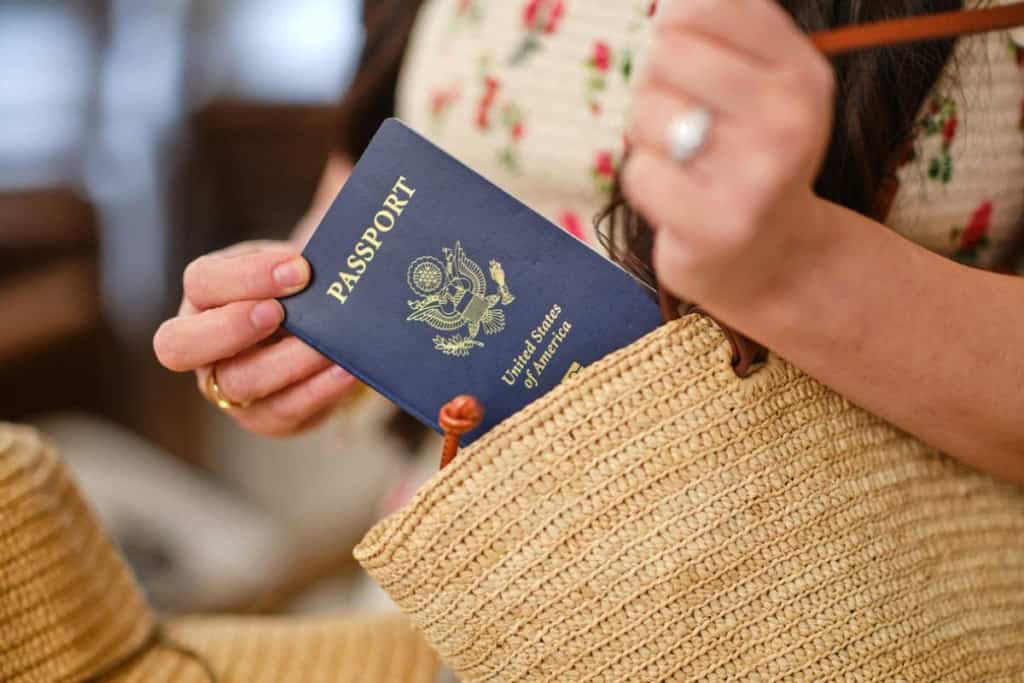
Once in Europe, U.S. travelers with an approved ETIAS should be able to move through border control smoothly and enjoy their visit without any issues.
The ETIAS application process is straightforward and typically takes only a few minutes. However, you’ll need to ensure you have all the necessary documents, details, and a payment method available.
To apply for ETIAS, you will need:
You will also be required to answer questions about:
It’s important to ensure all information you provide is accurate. Any false or incorrect details could delay your application or result in rejection.
To begin, visit the official ETIAS website or download the mobile app. You’ll submit your application electronically through these official platforms.
You’ll need to enter basic information about your identity and travel plans, including:
The form should take approximately 10 minutes to complete.

Most applicants will need to pay a processing fee of €7 when submitting the application. This fee can be paid online using a debit or credit card (Visa, Mastercard, American Express, etc.).
Once you’ve submitted your form and payment, your application will be processed. In most cases, you’ll receive a decision within a few minutes, though some applications may take longer if additional security checks are necessary.
Once your ETIAS application is approved, you’ll receive a confirmation email. Your ETIAS is electronically linked to your passport, so you won’t need to carry a printed copy. However, border control officials still have the right to refuse entry into the Schengen area if they believe there’s a reason to do so.
Most ETIAS applications (about 95%) are processed immediately, so you will likely receive a decision within a few minutes.
However, if additional security checks are needed, the application could take up to 30 days to process. Because of this, it’s best to apply for ETIAS at least a few weeks before your planned trip.
If your ETIAS application is denied, you will receive an email notification explaining the reason for the refusal. In this case, you will not be allowed to travel to countries that require ETIAS.
Common reasons for ETIAS denial include:
You have the right to appeal a denied ETIAS application. The rejection email will include instructions on how to appeal and identify the relevant authority to contact.
To file an appeal, you should:
There is a deadline for submitting an appeal. The exact time limit will be stated in the denial notice you receive. Be sure to act within that timeframe.
If you believe the denial was a mistake or due to incorrect information, you may also have the option to reapply with updated or corrected details, depending on the specific reason for the refusal.
All information submitted through the ETIAS application is protected under strict EU data protection regulations. Authorities use advanced technology and security protocols to safeguard applicants’ personal data and prevent unauthorized access.
Additionally, electronic payment information is not stored by the ETIAS system and is handled exclusively by the bank or financial service provider processing the transaction.
ETIAS is a travel authorization for short-term stays (up to 90 days) in the Schengen area. Unlike a visa, it cannot be used for long-term stays. ETIAS applies only to citizens of visa-exempt countries and does not grant the right to work or access public funds.
No, if you have a valid Schengen visa, you do not need ETIAS. ETIAS is for nationals who currently enjoy visa-free access to the EU. If you previously required a Schengen visa, you will continue to need it instead of applying for ETIAS.
Yes, ETIAS allows multiple entries to the Schengen area as long as it remains valid.
Yes, children, like all travelers, must have their own ETIAS. The application process is the same, but there is no fee for those under 18. Parents or guardians can apply on behalf of minors.
Most ETIAS applications are processed within a few minutes. However, if additional security checks are required, the application may take up to 30 days to process.
It is advisable to apply for ETIAS several weeks before your trip, as some applications may take up to 30 days to process.
If your ETIAS application is denied, you will receive an email explaining the reason(s) for the refusal. The email will also include information on how to appeal the decision.
If your ETIAS expires before your passport, you will need to apply for a new ETIAS. Additionally, if you receive a new passport, you must apply for a new ETIAS.