Healthcare System in Guatemala
Learn about healthcare in Guatemala before you move! Understand the system, funding, and whether private insurance is necessary.

International medical cover for expats and their families.
Medical and trip cancellation coverage for international travel.
Life insurance for globally mobile individuals living or working abroad.
Comprehensive international medical coverage for groups.
Medical, accident, and liability protection for global travel.
Financial protection for employees worldwide.
Most Popular Country Guides
Healthcare, insurance, and living insights to plan life and travel in each destination.
Healthcare, safety, and practical guidance for living abroad.
Tips and guidance for safer, smarter international travel.
Resources for global mobility, HR, and international teams.
Considering moving to Guatemala? These tips on legal requirements, banking, education, and living costs will help you plan your relocation.
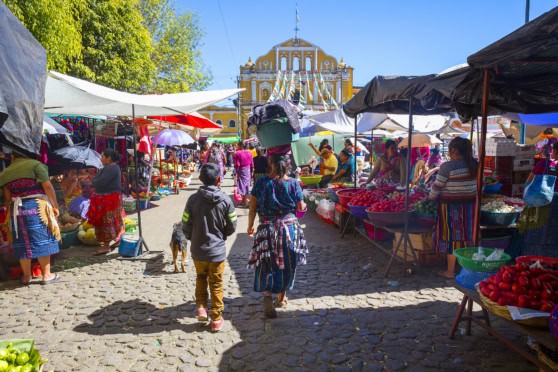
Expats are increasingly drawn to Guatemala, with digital nomads, young families, and retirees all attracted by its rich blend of history, culture, and natural beauty. Its location also makes it especially convenient for North American travelers, making visits back home quick and easy.
With its appealing lifestyle and practical advantages, it’s no surprise that Guatemala continues to grow in popularity as an expat destination. Here are some key practical considerations if moving to Guatemala is in your future.

Planning your move to Guatemala? Compare personalized international health insurance options that match your destination, budget, and coverage needs.
In general, American citizens do not need a visa to stay in Guatemala for 90 days or less. That period can be extended for an additional 90 days by applying to the Guatemalan immigration.
Regardless of when you intend to leave the country, you should have at least six months of validity remaining on your passport.
If you’re thinking of moving to Guatemala long-term and becoming a resident, you’ll need to complete a lot of paperwork. You’ll need to provide the following:
If these documents aren’t in Spanish, they must be translated by an “official” translator who is known to the local immigration department.
Don’t worry if this sounds intimidating. It may help to know that you don’t need a residency visa before you arrive.
You can be in the country for your initial 90 days, then have an additional 90-day renewal before applying for residency status. As such, you’ll have plenty of time to prepare.
There is no denying that Guatemala is a developing country that still bears the scars of a 36-year-long civil war.
The country is ranked 127 out of 189 countries on the United Nations Human Development Index, which compares life expectancy, education, and standards of living.
Of particular concern is that it is ranked as the most malnourished country in Central America and the fourth most in the world.
The combination of a corn-heavy diet and poverty means that the most vulnerable citizens have little access to their country’s abundant agricultural production.
In addition to poverty, citizens must contend with corruption, police brutality, and gang-related violence.
The life of the average citizen is very different from that of international citizens, who are generally isolated from their concerns.
If you’re thinking of moving to Guatemala, consider that despite these trying circumstances in the country, few expats report violence, and the majority say they feel very safe in Guatemala.
Expats should have a job lined up before moving to Guatemala. Poverty, income inequality, and steady employment are serious concerns.
Work permits in Guatemala are divided into two categories. Expats with a Guatemalan spouse or children who meet other requirements are eligible.
These requirements include a residency or temporary visa, police records, plus the requisite marriage or birth certificates.
As well, foreigners who have already been offered a job are eligible for a work permit. Employers typically make the application on your behalf.
As many international citizens report, the cost of living in Guatemala depends on your lifestyle.
If you purchase local produce, shop in local markets, live in simple accommodations, and limit splurges, you can give very inexpensively.
Depending on your circumstances, life in Guatemala is up to 50% cheaper than in Canada or the United States.
However, your costs won’t be much less than they are at home if you’re eating imported foods, going out to European style restaurants, and live in an exclusive neighborhood that serves expats.
Note that living frugally does not mean living spartanly. The services of maids and gardeners often cost less than $5 an hour.
Treats like massages cost as little as $10, and quick meals at market cafes can cost as little as $2 per person.
Even in affordable countries, private healthcare can be expensive. Get personalized health insurance quotes to understand your coverage options before you move.
There is much room for improvement in Guatemala’s healthcare system. There is approximately one doctor per 1,000 people, which is about half of what the World Health Organization recommends.
Government funding and support are similarly low. Additionally, the country’s long civil war disrupted ongoing investments and facility improvements.
Most cities and large towns have publicly funded services alongside private facilities such as hospitals and clinics. However, rural areas typically have just a small public clinic, staffed by either a doctor or a nurse practitioner.
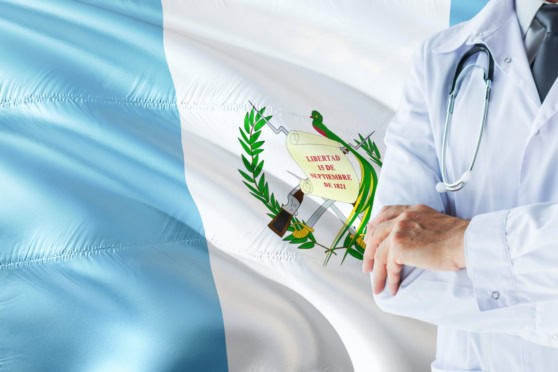
While the cost of medical appointments is very affordable through the public system, facilities can range from basic to very rudimentary.
As such, most expats choose to carry private health insurance in Guatemala. Private hospitals and clinics offer more comfortable and private facilities, multilingual staff, and much shorter waiting times.


Six years of education are compulsory for children in Guatemala. However, there are significant barriers to participation, despite education being free and funded by the government.
The cost of books, uniforms, and transportation is overwhelming for impoverished families. As such, while close to 90% of children begin school in Guatemala, less than 30% complete it. Sadly, the government does little to improve circumstances or invest in facilities.
Given the minimal funding the government provides, most expats opt to forgo public education in favor of private options.
There is a wide selection of international schools, particularly in Guatemala City, Antigua, and Quetzaltenango.
Opening a bank account in Guatemala is tricky. Thanks to strict anti-money laundering legislation, banking for foreigners is increasingly difficult.
Many banks simply refuse to offer services to expats. Others will permit accounts under certain circumstances, such as when a Guatemalan national serves as a sponsor.
A partial account is offered in some circumstances. Foreigners are provided with an ATM card, but they don’t have other account features, such as checkbooks or overdraft services.
However, once you find a bank that is happy to open an account for you, things are fairly straightforward.
To open an account, you’ll need to provide your passport, proof of address (such as a utility bill), and – on occasion – a reference letter from your home bank. In general, it takes about three days to process a new bank account.
The Banco Industrial is generally considered the most secure bank, followed by BAM. However, both institutions require you to have a local sponsor.
No matter which institution you choose, you will need to be physically in Guatemala to open your account. This is one thing that digital nomads can’t do online from afar!
Get personalized health insurance recommendations based on your destination, length of stay, and coverage needs.